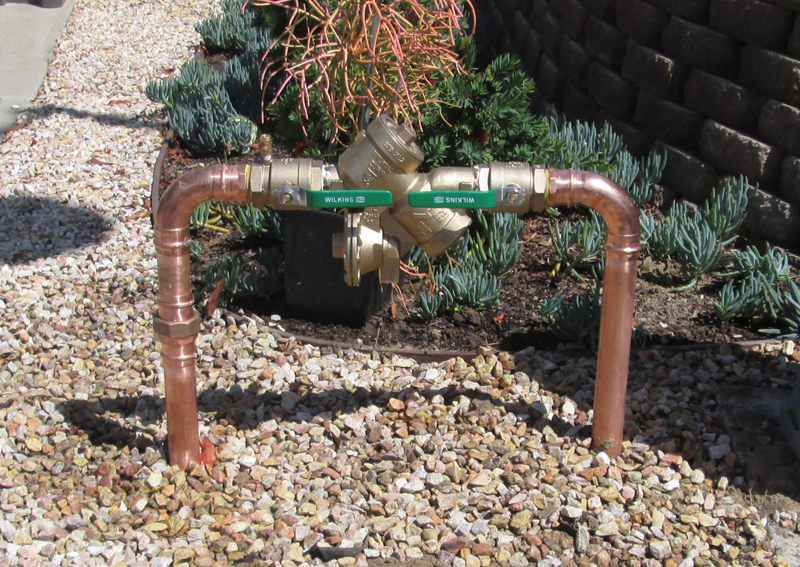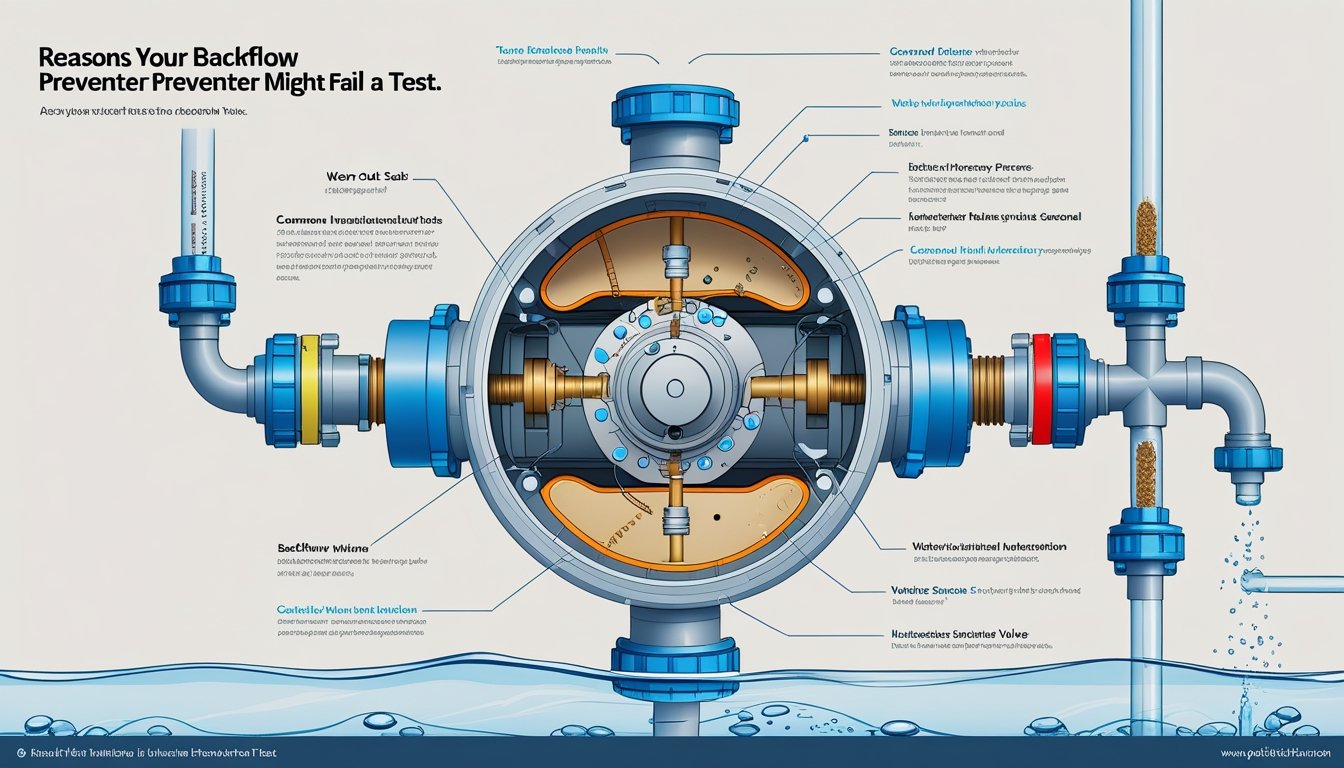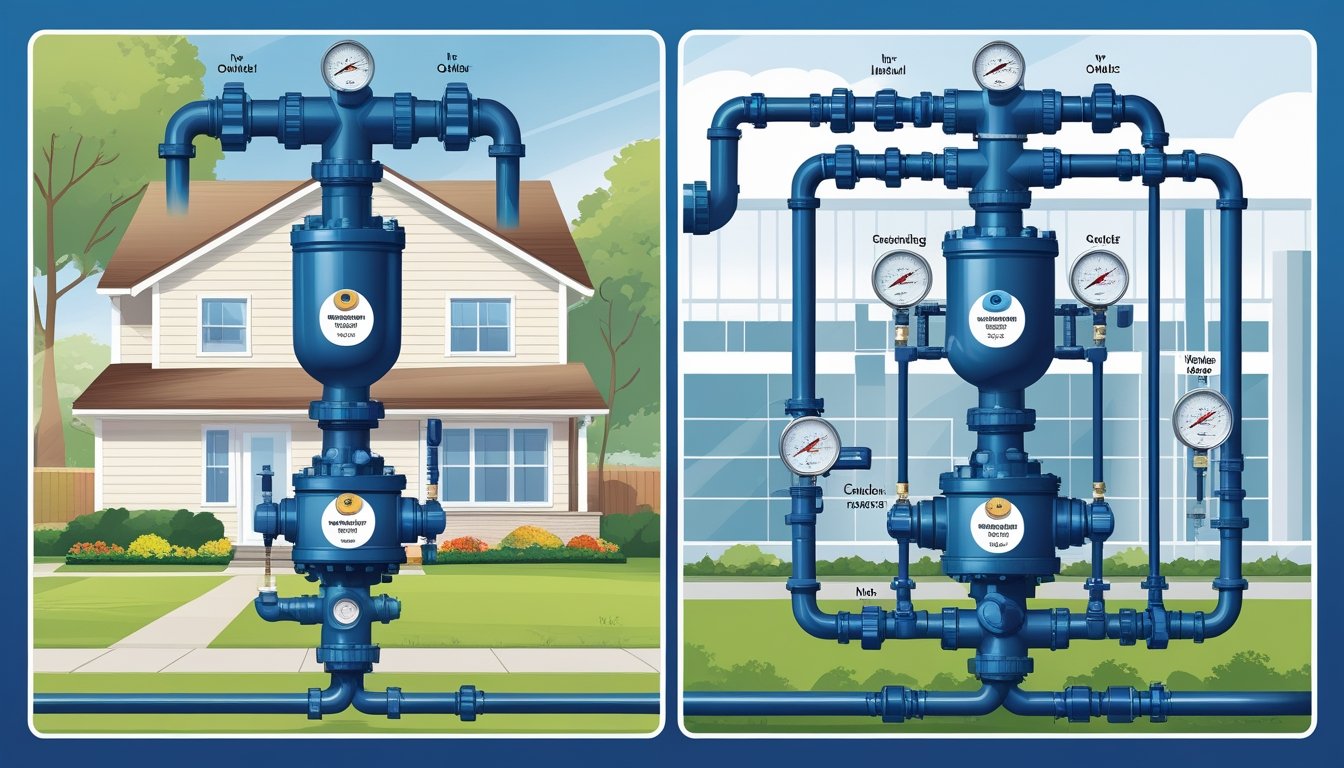


High mineral content in water can really mess with your backflow assembly. Minerals start to build up inside, making the device work overtime and wearing down key parts faster than you'd like. That buildup? It can mean leaks, blockages, and sometimes total failure of your backflow preventer.
If your backflow device takes a beating from hard water, you might find yourself dealing with repairs more often—or even needing a replacement years before you thought you would. Regular maintenance and testing can help spot these issues early and keep your water safe. Pacific Backflow covers all of San Diego County with testing and repair services to help you stay ahead.
It pays to understand how minerals affect your backflow assembly. With the right care and equipment, you can avoid expensive fixes and keep everything running smoothly (and up to code).
Understanding High Mineral Content
High mineral content in water really changes how your backflow assembly holds up. You’ll want to know which minerals cause trouble, where they come from, and why they pile up in your system. That knowledge helps you figure out why your device might need extra attention.
What Constitutes High Mineral Content
High mineral content basically means your water has a lot of dissolved solids—mainly minerals like calcium, magnesium, iron, and manganese. When these are above normal, your water’s considered "hard." Hard water is notorious for leaving scale inside pipes and backflow assemblies.
In San Diego County, for example, the mineral levels can swing a lot depending on the source. Water with over 120 mg/L of calcium carbonate is usually called hard. This kind of hardness wears out backflow preventer parts faster, causing corrosion or clogs that lead to leaks and failures.
Sources of Mineral Contamination
Your water picks up minerals from both natural and human sources. As water moves through soil and rock, it dissolves minerals like calcium and magnesium. Groundwater, especially, tends to have higher mineral content than surface water.
But humans add to the problem too—think fertilizer runoff or industrial waste. Even old plumbing can leach metals like iron or copper. So, your water supply ends up with a mix of minerals that can be tough on backflow devices.
Common Minerals in Water Systems
Here’s what you’re most likely to run into:
- Calcium and Magnesium: The main culprits behind hard water; these form stubborn scales inside pipes and valves.
- Iron and Manganese: Known for rust stains and can clog your backflow preventer.
- Chlorides and Sulfates: Higher levels speed up corrosion.
These minerals cling to the inside of your backflow assembly, making everything work harder. Over time, that buildup can jam valves or wreck diaphragms, which means—you guessed it—leaks. Knowing what’s in your water helps you protect your system.
If you’re in San Diego County, Pacific Backflow can test and maintain your backflow preventer to deal with local water conditions.
How Mineral Content Affects Backflow Assemblies
High mineral content brings a bunch of headaches to your backflow assembly. You’ll see blockages, sticky valves, and parts that just don’t last as long. All of this affects how well your preventer does its job.
Scale Buildup and Blockages
When your water’s loaded with minerals like calcium or magnesium, they start to form a hard layer—scale—inside your backflow device. This stuff blocks small passages and makes water flow sluggish.
Blockages from scale make valves stick or leak. You might notice your water pressure dropping, or just that things aren’t working right. And cleaning out these deposits? Not fun—they’re stubborn.
Regular cleaning and testing help catch scale before it gets out of hand. Let it go too long, though, and you could be looking at bigger repairs or even a total system failure.
Valve Malfunction and Reduced Performance
Backflow assemblies rely on moving parts, especially valves that need to open and close smoothly. Mineral deposits get in there and gum up the works, making valves sticky or slow.
If a valve can’t seat right because of mineral buildup, it might leak or fail to stop backflow. That’s a real risk for your water supply.
You might also notice your water pressure dipping because the valves aren’t doing their job. That can be a pain for everyday use and makes your system strain.
Experts at Pacific Backflow suggest regular inspections and cleaning to keep valves moving, even with hard water.
Accelerated Wear and Tear
Mineral-heavy water acts like sandpaper inside your backflow assembly. It grinds down seals, diaphragms, and other parts, speeding up wear.
Worn-out parts mean you’ll need repairs or replacements more often. If your backflow preventer is over 10 years old and dealing with hard water, you might need a full replacement sooner than you’d hoped.
Letting mineral damage slide can lead to leaks and failures that put your water at risk. Using professional services like Pacific Backflow keeps things working longer by handling repairs on time.
Performance and Lifespan Implications
High mineral content in water really chips away at your backflow assembly’s performance and lifespan. You’ll end up with more repairs, less efficiency, and parts that just don’t last. Knowing about these issues helps you keep your system working and avoid nasty surprises.
Decreased Efficiency Over Time
Mineral buildup makes moving parts like valves and seals stiff. When that happens, your backflow preventer can’t open or close right. That means it won’t stop contaminated water from flowing backward as well as it should.
As minerals pile up, your system has to work harder, which can cause pressure drops and weird water flow in your plumbing. If you skip maintenance, the device might not meet safety standards or pass those annual tests your water district requires.
Increased Maintenance Requirements
Hard water means you’ll be cleaning and fixing your backflow assembly more often. Mineral deposits can jam test cocks and clog small openings. So, your tech will spend more time scraping out scale and corrosion during checks.
Frequent maintenance matters for preventing leaks or valve failures from mineral damage. Without it, deposits just break things down faster. Scheduling regular service, like annual testing from Pacific Backflow, helps catch issues early and keeps you in line with the rules.
Potential for Premature Failure
If you let mineral deposits build up, key parts wear out way too soon. Corrosion and buildup can make weak spots or cracks in valve assemblies, raising your risk of leaks or a complete breakdown.
Replacing your backflow preventer earlier than planned is expensive, but sometimes hard water leaves you no choice. Regular inspections and timely repairs lower your odds of an emergency. Protecting your system keeps your water safe and helps you dodge fines or interruptions.
Prevention and Maintenance Strategies
Want your backflow assemblies to last, even with hard water? It comes down to regular care and a few smart upgrades. Getting ahead of buildup saves you headaches and keeps your water safe.
Routine Cleaning Methods
Mineral buildup clogs and damages assemblies. To keep things clear, flush your system every 6 to 12 months. Use a gentle cleaner that dissolves minerals without harming parts. Skip harsh chemicals—they can eat away at seals and valves.
Look for corrosion, leaks, or stuck valves as you clean. Removing deposits early keeps problems from snowballing. Jot down what you find and when you cleaned, so you can spot trends. This habit can really stretch your assembly’s lifespan and help you avoid big repairs.
Implementing Water Softening Systems
Hard water brings in minerals like calcium and magnesium that coat your backflow device. Installing a water softener before water hits your assembly cuts down those minerals. Softened water means less scaling and wear on valves and seals.
You’ve got options—salt-based systems or salt-free alternatives. Pick what fits your water and budget. It’s smart to talk to a pro so your softener works well with your backflow preventer and doesn’t mess with water pressure.
Regular Inspection Schedules
Inspections catch mineral-caused problems before they get serious. Book a certified pro to test and check your device at least once a year—more often if your water’s extra hard.
During an inspection, they’ll check if everything works, look for leaks, and spot mineral buildup. If something’s worn out or broken, fixing it fast keeps you in line with codes and avoids contamination.
Pacific Backflow offers quick, reliable testing and inspections in San Diego County. Their certified techs handle everything from routine checks to repairs, making sure your water stays protected.
Industry Guidelines and Best Practices
Keeping your backflow assemblies working in hard water means following the rules and taking care of your devices. Knowing the standards and some real-world tips helps you avoid big bills and keep your water safe.
Relevant Regulations and Standards
Most states require annual backflow testing to protect public water from contamination. Only certified professionals can do these tests, following strict local procedures.
Regulations say you’ve got to keep your backflow preventers working well. If something fails, fix or replace it fast to stay up to code. Many areas use EPA guidelines to set safety standards, which means you need to stay on top of mineral buildup.
Since minerals wear out rubber seals and other parts, staying compliant is key. Repairs should meet district codes, and testing records need to be submitted properly. Skip the rules, and you could end up with fines or your water shut off.
Recommendations for Facility Managers
Check your backflow preventers regularly, especially if your water’s packed with minerals. Minerals clog or corrode parts and weaken the device’s ability to stop backflow.
A pressure gauge helps you keep an eye on PSI and prevent damage. Regular testing, cleaning, and timely repairs keep things running. If damage is bad, sometimes you just have to replace the whole thing.
Pacific Backflow suggests annual pro testing and maintenance to avoid expensive surprises. Protect your devices with custom cages or covers. A little care goes a long way for safety and makes code compliance way less stressful.
Frequently Asked Questions
High mineral content in water can be rough on backflow assemblies, leading to deposits and wear. These problems affect how the device works, how long it lasts, and whether your water stays safe.
What factors make a backflow prevention assembly more vulnerable to damage?
Hard water with lots of minerals is a big culprit. Over time, minerals build up and clog valves or moving parts. Age and skipping regular maintenance make damage more likely.
How does hard water contribute to the malfunctioning of backflow preventers?
Hard water causes mineral deposits to form inside the assembly. These deposits stick to parts, making them stiff and causing leaks or failures. Buildup can keep valves from closing all the way.
What maintenance is recommended for backflow devices in areas with high mineral content in water?
It’s a good idea to schedule frequent inspections and cleanings to get rid of mineral buildup. Annual testing—something like what Pacific Backflow offers—helps you catch issues early and keeps the system working like it should.
Can mineral buildup affect the reliability of backflow prevention methods?
Definitely. When minerals build up, they cause blockages and wear out parts. If things can’t move the way they need to, the assembly might not stop contaminated water from sneaking back into your clean supply.
What are common signs of backflow assembly failure due to mineral deposit accumulation?
You’ll notice leaks, odd noises, weaker water flow, or failed test results. Sometimes, you just find yourself calling for repairs more often or the system doesn’t pass its annual inspection—never a fun surprise.
How often should backflow preventers be inspected or replaced in mineral-rich water regions?
You’ll want to get backflow preventers inspected at least once a year, maybe even more often if you start seeing issues crop up. In spots with really mineral-heavy water, these things can take a beating, so replacement every few years isn’t unusual. Honestly, it depends on what your water’s like—Pacific Backflow can help you figure out a schedule that makes sense for your situation.