

Irrigation systems do a lot for your garden or lawn, but let’s be honest—they can cause headaches if you ignore them. Regular safety checks help prevent harmful chemicals or debris from sneaking back into your clean water supply, so you’re not just protecting your own home, but your whole neighborhood.
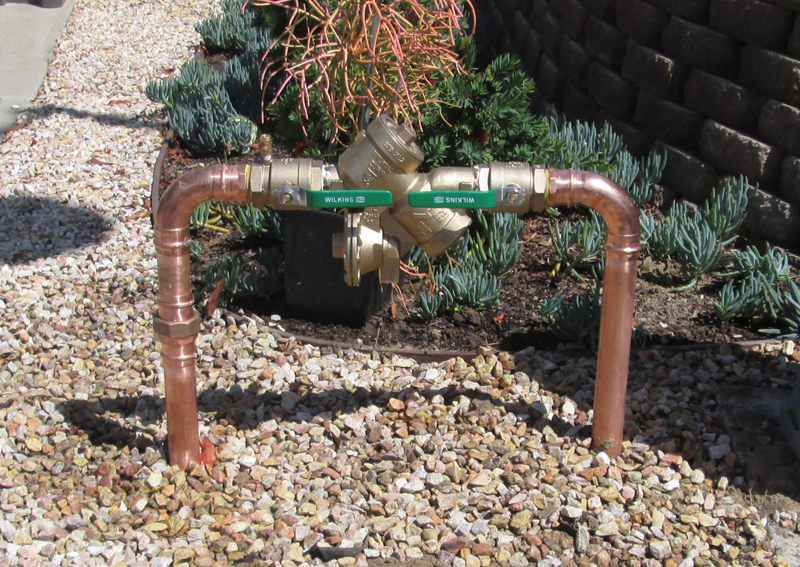
Your backflow preventer is a key part of this safety, quietly guarding your drinking water. If you have it tested every year, you’re making sure it works right and you’re following local laws. Pacific Backflow makes this easy across San Diego County—they’re fast and reliable.
Staying on top of these checks means you’ll dodge big repair bills and surprise water problems. Whether you need testing, repairs, or a whole new setup, keeping your irrigation backflow safety in check gives you peace of mind. Who doesn’t want that?
The Importance of Regular Safety Checks for Irrigation Systems
Regular safety checks keep your irrigation system running smoothly and your water clean. They catch small problems early, protect your family, and help your system stick around for the long haul.
Preventing System Failures
Skip inspections, and you might not notice worn-out parts until something fails. Valves, pipes, and backflow preventers all need testing to make sure they’re actually stopping dirty water from getting into your drinking supply. If a backflow preventer breaks, stuff you really don’t want can end up in your tap water.
Annual testing finds these issues before they get out of hand. If something’s wrong, you can fix or swap it out fast and keep everything running.
Protecting People and Property
Since your irrigation system connects to your drinking water, safety really isn’t optional. Backflow can bring contaminants into your home and put everyone’s health at risk. Regular checks lower that risk by making sure backflow preventers are up to the task.
Inspections also help you spot leaks and pressure drops that might wreck your yard or plumbing. Catching them early keeps costs down and avoids water damage. Pacific Backflow can handle yearly testing and make sure you’re following local safety rules in San Diego County.
Increasing System Longevity
Irrigation systems aren’t cheap, so you want them to last. Regular checks keep everything in good shape and help your system use water more efficiently.
During a check, a tech will clean valves, test pressure, and look at seals. This routine helps prevent corrosion and breakdown. Over time, you’ll save by avoiding big repairs or total replacements. Regular visits from pros just make sense if you want your investment to last.
Common Safety Risks in Irrigation Systems
Irrigation systems come with a few risks for both safety and water quality. You’ve got electrical hazards, water contamination, and even injuries from pressure problems. Knowing what can go wrong helps you keep everything safer.
Electrical Hazards
Most irrigation systems need electric pumps, valves, and timers. If you don’t install or maintain these right, you’re asking for shocks or even fires. Damaged wires or faulty gear can shock you if you touch a sprinkler or the control box.
Water and electricity? Never a good mix. Wet wires or exposed parts can short out. Make sure you’ve got proper grounding and tight covers.
Regular inspections help you spot worn wires or loose connections before they’re a problem. Honestly, it’s better to let a pro handle repairs—why risk it?
Water Contamination Risks
Backflow is the main way irrigation systems contaminate water. When water reverses direction, it can pull fertilizer, pesticides, or debris into your drinking supply. That’s a serious health risk.
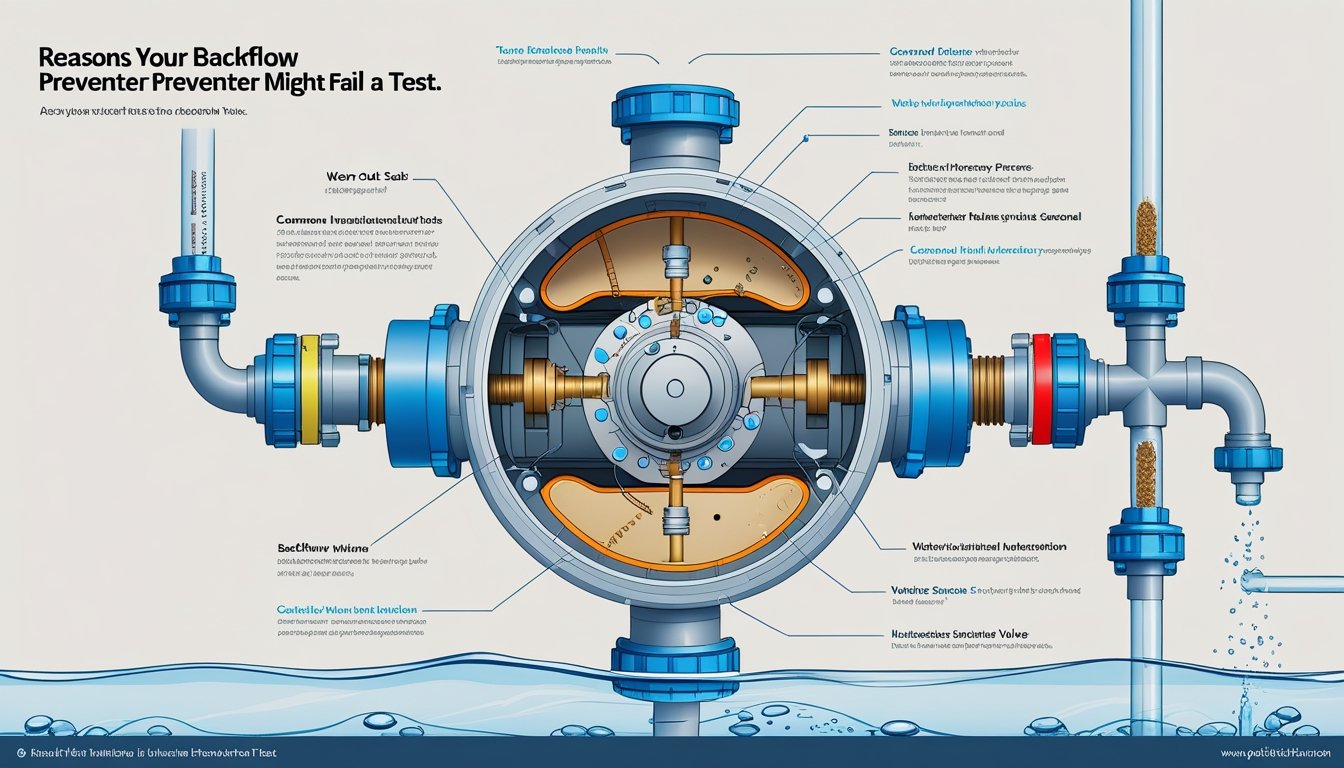
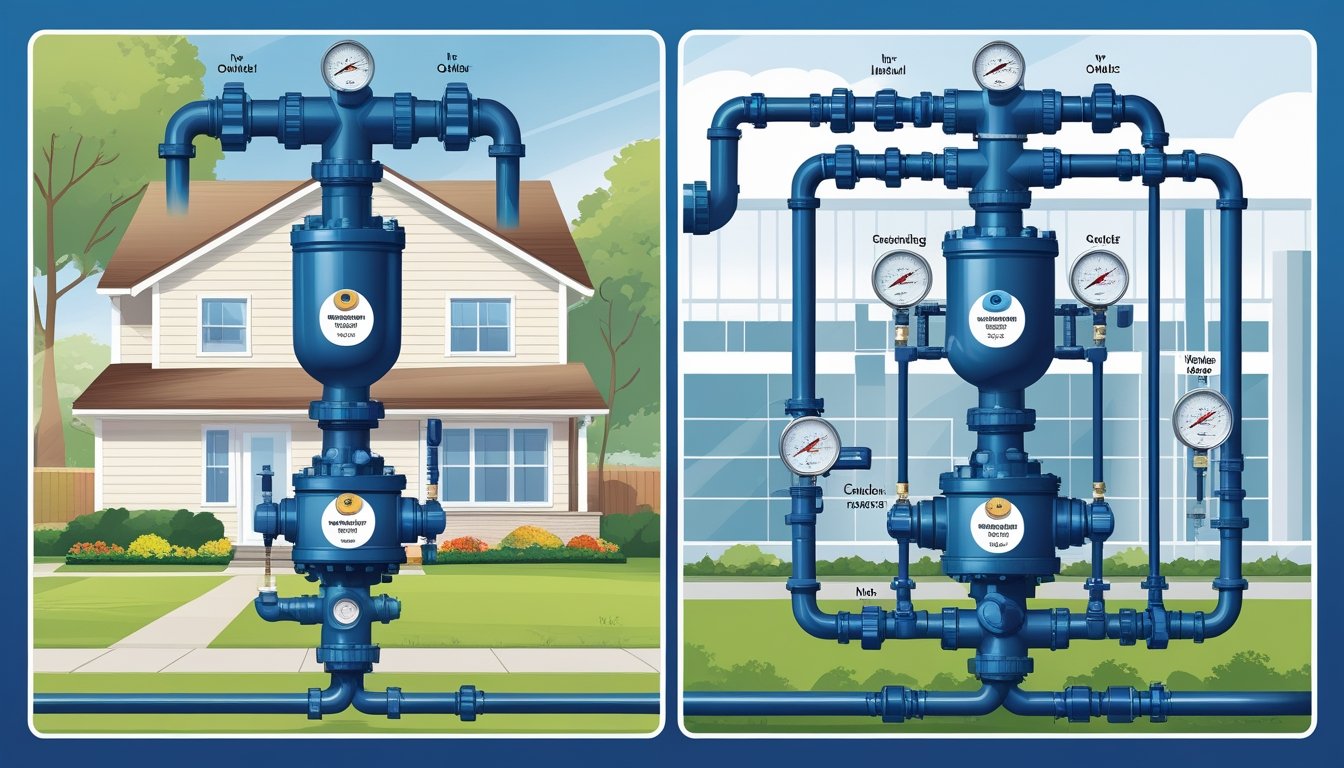
You need a backflow preventer—no way around it. It blocks dirty water from mixing with the clean. But these devices don’t last forever. Testing them regularly is the only way to know they’re still working.
If your water tastes weird or looks off, call a specialist. Pacific Backflow offers reliable testing and repairs to keep your water safe.
Pressure-Related Injuries
Irrigation systems run on water pressure. If it’s too high or unstable, pipes can burst or fittings can blow off—nobody wants that.
Pressure surges happen when valves slam shut or pumps kick on too fast. These spikes stress your system. Pressure regulators and surge protectors help, but you’ve still got to check for leaks or broken parts.
If you see a strong spray or hear a loud bang, turn off your system right away and take a look—or just call for help.
Key Components to Inspect During Safety Checks
When you check your irrigation system, focus on the parts that move water, control flow, or take commands. These need to work right to prevent leaks, contamination, and wasted water. Catching issues early keeps things simple.
Pipes and Hoses
Pipes and hoses are the lifelines of your system. Check for cracks, holes, or worn spots that could cause leaks or drop pressure. Leaks waste water and can erode soil or damage plants.
Make sure connections are tight. Hoses get brittle or soft as they age—replace them if they seem weak. Kinks block flow, so straighten those out.
Inspect where pipes meet backflow preventers or valves. Tight seals keep your water safe from contamination.
Sprinkler Heads and Valves
Sprinkler heads and valves decide where and when water goes. Test heads to see if water sprays evenly and reaches the right spots. Clogged or broken heads waste water and don’t do your plants any favors.
Valves open and close to manage flow. Look for leaks around fittings, since these cause water loss. Valves should respond quickly when you turn things on or off.
Swap out heads that aren’t spraying right or are dripping. Clean out debris to keep the spray pattern clear. A little care here saves a lot of water.
Control Panels
Your control panel is basically the brain of the operation. It tells valves and sprinklers when to work. Make sure it’s clean, dry, and pest-free.
Test buttons and timers—do they work? Is the schedule running like it should?
Check power connections and backup batteries. A failing panel can mess up your watering, causing overwatering or dry patches. Keeping it healthy saves you time and keeps your yard looking good.
If you want quick, reliable backflow testing or repairs, Pacific Backflow covers all of San Diego County and they’ve been at it for nearly 50 years.
Benefits of Scheduled Maintenance and Inspections
Routine checks keep your irrigation system safe, efficient, and cost-effective. Scheduling maintenance helps you avoid fines, catch problems early, and use water wisely.
Compliance with Regulations
Your irrigation system has to follow local rules to protect water quality. Many places require annual backflow testing by certified techs—no exceptions.
Staying on top of inspections means no fines or legal headaches. Certified companies like Pacific Backflow handle the tests and send reports to your city or water district. That way, your system meets all the standards and your water stays clean.
Cost Savings from Early Detection
Catching leaks or damage early saves money. Inspections reveal worn parts or weird water flow before they cause expensive trouble.
Ignoring maintenance? That’s how you end up with costly repairs or have to replace the whole system. Annual testing spots warning signs so you don’t pay more later. Most small fixes are cheap if you catch them in time.
Optimized Water Usage
A well-maintained system uses water efficiently. Fixing leaks, clogs, or busted valves prevents waste. When everything works right, your yard gets just the water it needs—no more, no less.
This keeps your landscape healthy and trims your water bill. Plus, it’s better for the environment. Regular service means every drop counts, and your system works year-round.
Best Practices for Safe Irrigation System Operation
If you want a safe irrigation system, you’ve got to take some basic steps every year. Train anyone who works on it, keep good records, and act fast when you spot issues. It’s not rocket science, but it makes a difference.
Training Personnel
Anyone handling your irrigation system should know how to spot problems and follow safety rules. They need to understand backflow preventers and why regular testing matters. You want your crew to know how to check valves, seals, and pressure levels without missing stuff.
Training covers the right tools and what to do in emergencies, like leaks or busted parts. Well-trained people catch issues early and stop damage or contamination. If you’re not sure, you can always ask Pacific Backflow for tips or advice.
Documenting Inspections
Every time you check or fix your irrigation system, jot it down. Keep track of dates, what you checked, and any repairs. Good records make it easy to prove you’re following safety rules—especially if your water provider asks.
Use digital tools or just a notebook to log annual backflow tests, filter cleanings, and part swaps. Keeping this info organized helps you spot patterns, like frequent repairs, before things get worse. It’s a simple way to protect your system and your water.
Responding to Detected Issues
If you find a problem during inspection, fix it fast. Worn-out backflow preventers, leaks, or broken seals can’t wait. Delaying repairs risks contamination or bigger damage.
Call in professionals to replace or repair parts according to water district codes. Quick action keeps your system safe and up to code. Companies like Pacific Backflow offer emergency repairs, so you’re covered even when things go sideways. Acting quickly saves money and avoids fines.
Frequently Asked Questions
Regular safety checks keep your irrigation system working and your water safe. They help you catch problems early, meet local rules, and avoid expensive repairs.
What are the benefits of performing regular safety checks on irrigation systems?
Regular checks keep your water clean by stopping backflow. They help your system run better, save water, and keep you on the right side of local laws.
How can regular maintenance prevent common irrigation system issues?
Maintenance finds leaks, worn parts, and blockages before they get worse. It protects your system from damage caused by freezing or dirt buildup and keeps everything moving along.
What are the indicators that an irrigation system needs a safety review?
Watch for odd water flow, strange noises, or leaks near valves and pipes. If water tastes or smells weird, that’s a red flag. And if your backflow preventer hasn’t been tested in a year, it’s time for a checkup.
How often do experts recommend conducting an irrigation system inspection?
Experts say test your backflow preventer at least once a year. If you’ve got a pool or a big setup, you might need more frequent checks to stay safe and meet local rules.
What does a typical irrigation system safety check entail?
A certified technician usually tests your backflow preventer to see if it’s working right, checks valves, and looks over pipes for any leaks or damage. They’ll clean a few parts here and there, double-check that everything’s put together the way it should be, and see if the system lines up with safety standards.
What could be the consequences of neglecting regular irrigation system checks?
Skip those inspections, and you might end up with contaminated water sneaking into your home’s supply—definitely not ideal for anyone’s health. Leaks and wasted water can pop up too, leading to headaches and expensive fixes down the road. Plus, if you’re not up to code, local authorities might slap you with some pretty frustrating fines.
Pacific Backflow handles annual backflow testing and repairs all over San Diego County, helping keep your irrigation system in check and within regulations.