

Moving your backflow device can really change how well it protects your water supply. Sometimes, the current spot leaves it open to damage, dirt, or freezing, and that can lead to failure right when you need it most. Shifting your backflow preventer to a smarter location can boost its performance, help dodge expensive repairs, and keep your water safer.
You might not think about it, but putting your backflow device somewhere accessible and secure makes maintenance and inspections so much simpler. That’s huge for keeping up with safety and local codes. At Pacific Backflow, we’ve seen that relocating devices shields them from weather and tampering, making your water system more reliable.
If you’re worried about keeping your water safe and want to avoid compliance headaches, it’s worth learning how a simple relocation can help. With nearly 40 years serving San Diego County, Pacific Backflow knows firsthand that even small changes like this can make a real difference.
Understanding Backflow Devices
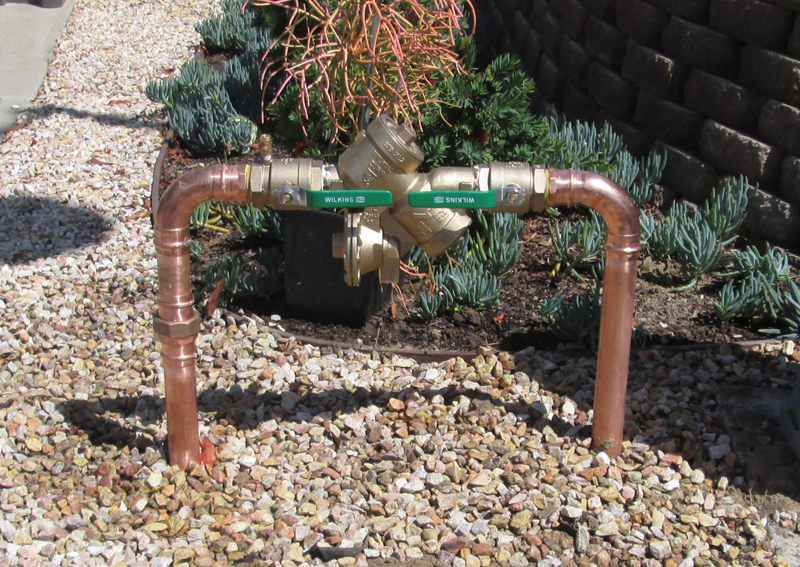
Backflow devices are there to keep your water clean, blocking dirty water from sneaking back into your supply. There are a few types, each designed to prevent contamination in specific situations. Knowing what they do—and why placement matters—helps you see why it’s worth maintaining and protecting them.
What Is a Backflow Device
A backflow device is basically a safety valve in your plumbing system. Its job? Stop water from moving backward into your clean water lines. That can happen when pressure changes, letting polluted water mix in with drinking water.
Usually, the device has valves that snap shut to block any reverse flow. If it stops working, chemicals, bacteria, or debris could get into your water. So, keeping it in good shape is a big deal for your health and peace of mind.
Common Types of Backflow Prevention
You’ll run into a few main types of backflow prevention devices:
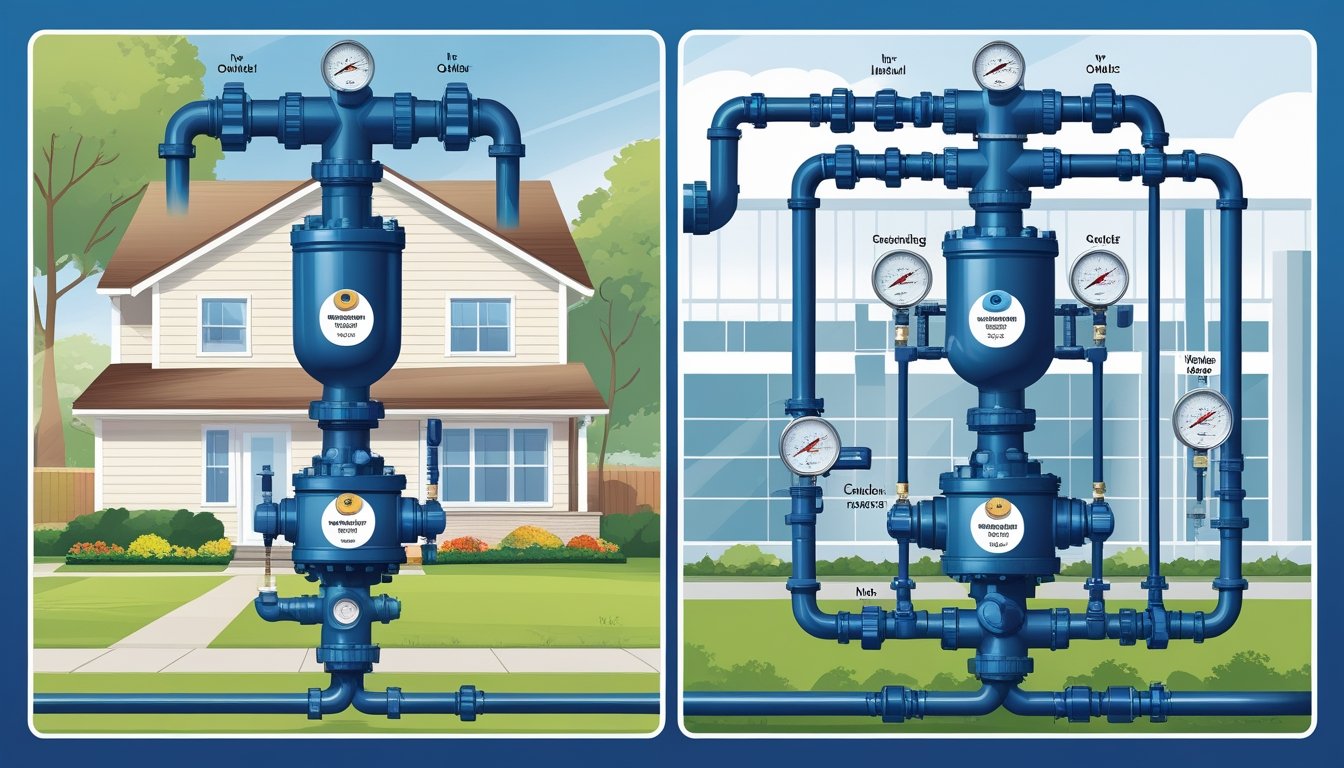
- Double Check Valve Assembly (DCVA): Two check valves to prevent reverse flow. Good for low-risk setups.
- Reduced Pressure Zone Device (RPZD): Adds a pressure relief valve for extra protection. Used where contamination risks are higher.
- Pressure Vacuum Breaker (PVB): Stops back-siphonage if pressure drops suddenly—like when a fire hydrant is used.
Each one suits different needs, depending on where it’s installed and the level of risk. Picking the right type really matters for safety and staying up to code.
Importance of Backflow Prevention
Backflow prevention is about protecting your health and the community’s water. Without these devices, dangerous stuff can flow into drinking water through cross-connections in plumbing.
Local laws often require backflow devices to keep water safe. If the device is old, damaged, or just in a bad spot, it might fail and put your water at risk. Regular testing, maintenance, and sometimes moving the device can make your system safer and more reliable.
Pacific Backflow has spent decades helping San Diego County homeowners and businesses keep their water safe with expert backflow testing, installation, and repairs.
Primary Safety Concerns With Backflow Devices
Backflow devices protect your water, but certain safety risks show up if you don’t place or maintain them right. You need to watch out for contamination risks, problems from poor placement, and things that could lead to system failures.
Contamination Risks in Water Supply
Backflow devices keep dirty water from sneaking into your clean supply. If the device fails, contaminated water can get into your drinking water—bringing bacteria, chemicals, or waste. That’s a real health risk for you and everyone else.
Pressure changes or a sudden supply drop can trigger backflow. Without a reliable preventer, things like fertilizers or sewage could mix in with your water. That’s why it’s so important to keep these devices working.
Regular testing catches problems early. Pacific Backflow does thorough checks to make sure your device keeps contamination out.
Issues With Improper Placement
Location matters—a lot. If your backflow device sits too close to contamination sources like drains or chemicals, the risk goes up. Put it too far from the main water line, and parts of your system might not be protected.
If the device is hard to reach, maintenance and inspections might get skipped. That’s asking for trouble down the line.
You want your device somewhere that protects water quality, makes upkeep easy, and meets code. Moving it can solve these headaches.
Potential for System Failures
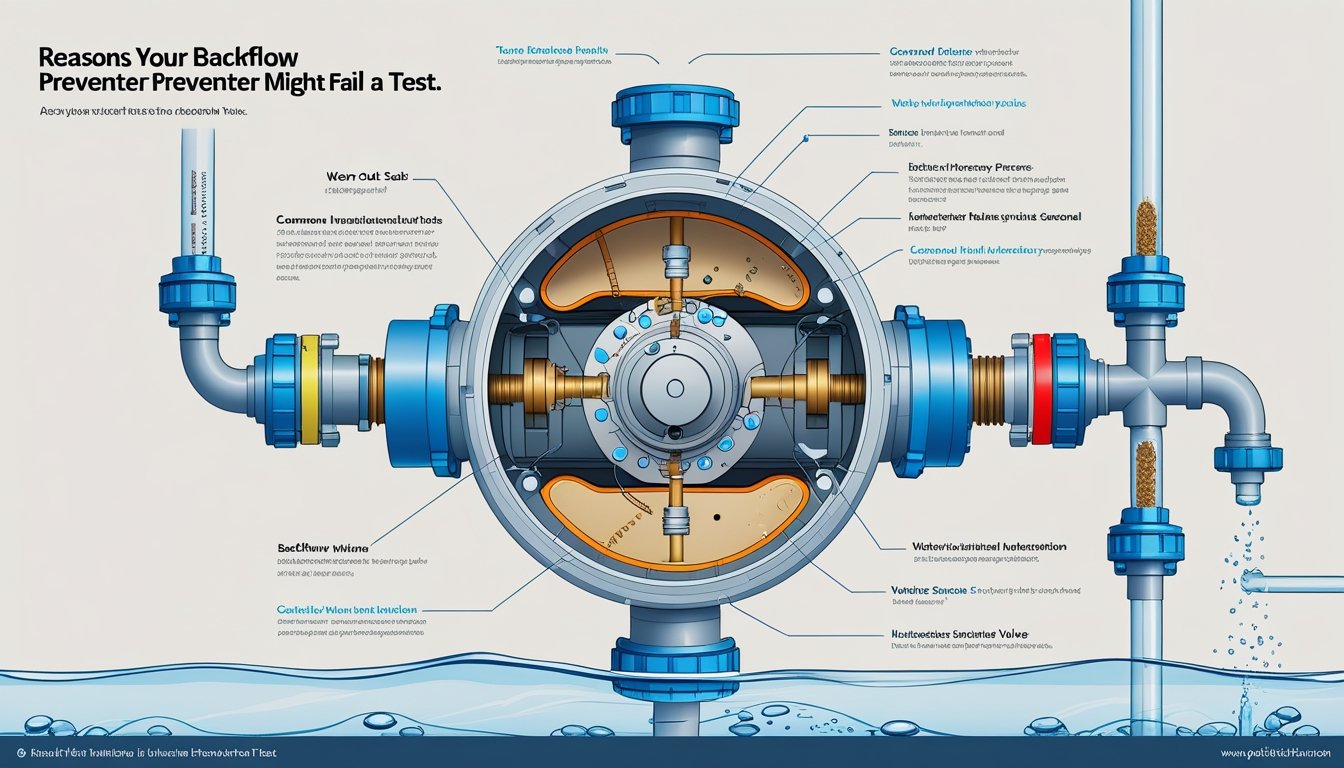
Backflow devices wear out with age, weather, or if you skip maintenance. When parts fail, the device can’t fully stop backflow, and contamination risks go up.
Failures often come from cracked seals or sticky valves. Hard water, freezing temps, or even vandalism can speed up the damage.
Regular inspections and timely repairs keep things running. If your device is old or busted, moving it during replacement can help it last longer and keep your water safe.
Reasons to Relocate a Backflow Device
Shifting your backflow device to a better spot can make maintenance easier, protect it from damage, and help you keep an eye on things. All of this helps guard your water supply and keeps your system in good shape.
Improving Accessibility for Maintenance
If your device is tucked away in a cramped spot or hidden behind equipment, it’s a pain to inspect or fix. Moving it to a more open area makes annual testing and repairs faster and safer.
Easy access means you’re more likely to get maintenance done on time, which lowers the risk of leaks or failures. That keeps your water clean and prevents expensive damage. If you ever need an emergency repair, a reachable device saves time and stress.
At Pacific Backflow, we often suggest relocation for properties where access is tight. Your backflow preventer deserves some attention to work right.
Reducing Exposure to Environmental Hazards
Devices stuck where they face harsh weather, dirt, or chemicals just don’t last as long. Moving your device away from standing water, heavy dust, or freezing temps helps it stay in better shape.
Putting the device inside or under a cover means less rust and fewer breakdowns. That keeps your device working longer and up to safety standards.
In cold areas, relocating indoors or using insulation can prevent freeze damage. And keeping it out of the way of foot traffic or cars cuts down on accidental hits.
Enhancing Monitoring Capabilities
A device that’s easy to see or reach makes it much easier to spot leaks or tampering early. Moving it into view from your house or security cameras helps you catch issues before they get serious.
Better monitoring means you can fix problems before they turn into big repairs or water contamination. When you can keep an eye on things, you’re just more on top of your backflow management.
Pacific Backflow helps pick the best spot for your device, balancing safety, access, and protection so your water stays clean.
Safety Benefits of Proper Backflow Device Placement
Getting your backflow device in the right spot helps keep your water safe by cutting down risks of contamination or damage. It also helps your system stay up to code and run smoothly without surprise repairs.
Minimizing Cross-Connection Risks
A well-placed device lowers the chance of dirty water mixing with clean. That’s huge for protecting your drinking water. If it’s too close to things like irrigation or waste lines, though, the risk jumps.
Proper relocation gives the device enough space to prevent accidental backflow. It also helps keep pipe pressure where it should be, stopping polluted water from sneaking backward. You want your preventer easy to reach for checks and repairs—fixing problems fast before contamination happens.
Protecting Against Weather-Related Damage
Backflow devices left out in the open can get wrecked by sun, rain, or freezing weather. That leads to leaks or failures, and suddenly your water isn’t so safe.
Moving the device to a sheltered spot keeps it safer from the elements. Adding a backflow cage or cover helps block snow, wind, or junk. This keeps the device working longer and saves you money on repairs. A protected preventer just works better, plain and simple.
Compliance With Local Codes and Standards
Local rules often say where and how you need to install backflow devices. Good placement keeps you in line with codes and avoids fines or forced do-overs. Some places want devices at certain heights or distances from hazards—following these rules is part of keeping your system legal.
By moving your backflow device when needed, you stay compliant and skip the legal hassles. This also makes inspections easier and keeps annual testing straightforward, which is key for water safety. Pacific Backflow can walk you through local rules and help reposition your device to keep everything legit and your water safe.
Steps for Relocating a Backflow Device Safely
Moving a backflow device takes some planning, a pro’s touch, and careful testing after. Each step helps keep your water clean and your system up to code, dodging leaks or contamination. Here’s what you’ll want to do for a smooth, safe move.
Site Assessment and Planning
Start by checking out where your device is now and where it should go. Look for easy access to water lines and enough room for future servicing. Make sure the new spot isn’t prone to flooding or vandalism.
Check the water district’s rules early—they often have strict requirements for placement and installation. Also, pay attention to the direction of your main water line, so everything works as it should.
It helps to use a checklist:
- Distance from contamination sources
- Access for inspections and repairs
- Protection from weather and damage
A little planning up front saves a lot of trouble later.
Coordinating With Certified Professionals
You need certified backflow techs for this job. They know the rules and handle all the technical details. They’ll also pull any permits you need before starting.
Let the pros remove the old device and set up the new one. They’ll follow plumbing codes and use approved parts. Good communication helps you know what’s happening and when.
Ask about timelines and follow-up service. Companies like Pacific Backflow in San Diego County work quickly and keep you in the loop.
Post-Relocation Testing and Inspection
Once the device is moved and installed, it needs a thorough test. This is how you know it’s still blocking backflow and protecting your clean water.
Certified techs will run pressure tests and check all the valves. If anything fails, they’ll fix it before signing off. Testing has to meet local water agency standards.
You’ll get a detailed report—hang onto it for your records and future inspections. Regular testing catches issues early and keeps your water safe for the long haul.
Frequently Asked Questions
Relocating a backflow device can change how well it protects your water. Moving it might make inspections, maintenance, and repairs easier—and lower the odds of contaminants getting in. If you’re wondering whether your system could use a change, understanding why relocation matters is a solid place to start.
What are the safety benefits of moving a backflow preventer to a different location?
Shifting your backflow preventer can make it a lot easier to reach for those regular inspections. When you can get to it quickly, issues tend to get caught and handled sooner. Plus, if you move it away from spots where contamination might happen, you cut down the risk of anything nasty sneaking into your water.
How might relocating a backflow prevention device help in reducing health hazards?
When a device sits too close to chemicals or pollutants, it’s basically inviting trouble. Moving it further away helps keep dangerous stuff from flowing backward into your clean water. Just putting it in a smarter spot makes backflow a lot less likely to cause illness or unsafe water—nobody wants that.
Can changing the position of a backflow device minimize the risk of water contamination?
Absolutely. Putting the device in the right place keeps it clear of spots where contamination could happen. Moving it can also prevent damage from weather or even vandalism, so it keeps doing its job and your water stays protected.
What factors should be considered when deciding on a new location for a backflow device for improved safety?
Think about how easy it’ll be to test and fix the device, how far it is from pollution sources, and whether it’s safe from theft or damage. Weather can be a big deal, too, and you’ve got to consider local water codes to keep everything on the right side of the law.
In what scenarios is it recommended to relocate an existing backflow prevention unit?
Sometimes you just can’t reach your device, or maybe it’s blocking other work. If it’s near contamination risks, that’s another reason to move it. And if you’re upgrading to a newer model or dealing with repeated issues, changing its location just makes sense.
What preventive measures are enhanced by properly situating a backflow preventer?
When you place a backflow preventer in a good spot, testing it regularly just gets easier—which means it keeps doing its job. It’s less likely to get banged up or messed with, too. And honestly, your water system just stays cleaner and safer if you don’t cut corners on placement.
If you’re in San Diego County and need help with backflow testing or moving a device, Pacific Backflow offers expert service to help keep your water safe and up to code.