


If you’re a new property owner, wrapping your head around backflow rules matters—a lot. It’s not just about dodging fines; it’s about keeping your water clean. Backflow prevention devices stop dirty water from sneaking back into your clean water supply, and most places want these tested every year. Knowing the basics helps you stay out of trouble and keeps your family or tenants safer.
Regulations aren’t the same everywhere. Your city or water district might have its own spin on things, so double-check local rules. Certified testers usually handle these inspections—no need to DIY. Pacific Backflow, for example, covers San Diego County and takes care of all the testing and paperwork, which honestly saves a lot of headaches.
Understanding Backflow and Its Risks
Backflow is when water takes a wrong turn and flows back into your clean water. That’s how dirty or even hazardous water ends up mixing with what comes out of your tap. Nobody wants that. Understanding why backflow happens, and what it can mess up, is the first step in keeping your place safe.
What Is Backflow?
Backflow happens when water reverses direction and sneaks back into your clean water pipes. Usually, water moves from the main supply into your house. But sometimes, if pressure drops, you get the opposite—dirty water gets pulled backward.
Things like garden hoses, irrigation setups, or even plumbing hiccups can cause this. That’s why we use backflow preventers. They’re simple, but they work—keeping the water moving the right way and stopping pollution from getting in.
Common Causes of Backflow
A few things can set off backflow. A sudden drop in water pressure—maybe from a busted main or heavy usage nearby—can pull water the wrong way.
Hoses or irrigation systems that touch chemicals or fertilizers? Yeah, those can create a pathway for contaminated water to get into your system. Cross-connections between clean and dirty water lines also push up the risk.
Testing your backflow preventer regularly is the only way to know it’s actually working.
Potential Hazards to Water Supply
If backflow happens, all sorts of nasty stuff—bacteria, chemicals, even waste—can get into your water. That can mean illness, infections, or just plain gross water.
If your backflow preventer isn’t tested or is broken, you’re rolling the dice. That’s why so many cities push annual backflow testing. Keeping your system checked means you can drink, cook, and bathe without worry.
Impact on Property Value
Backflow problems can drag down your property’s value. If you skip maintenance, people might see your place as risky or not well cared for.
Potential buyers could walk away if they think there’s a chance of water contamination or if the house doesn’t meet water safety codes. Keeping your backflow device up to date and following local rules protects your investment.
Pacific Backflow helps plenty of San Diego County owners stay on track with testing, repairs, and installations. It’s just smart for your home’s safety and value.
Essential Backflow Regulations for Property Owners
Owning property means you’ve got to play by the backflow rules—protect your water supply and avoid legal messes. You should know the codes, your responsibilities, and what could happen if you ignore them. It’s less stressful if you’re in the loop.
Overview of Local and National Codes
Backflow laws change depending on where you live, but most places want yearly testing. In California, for instance, annual tests are a must to keep drinking water safe. Your city or county might have extra hoops to jump through, so always check the plumbing codes.
Certified testers—like Pacific Backflow’s crew—know how to spot trouble and keep everything up to code. Following the rules means your water stays safe and you avoid last-minute surprises.
Legal Responsibilities of New Owners
As a new property owner, you’re the one on the hook for maintaining backflow prevention devices. That means regular tests, fixing issues, and swapping out old gear when needed. Usually, it’s not the water company’s job—it’s yours.
You’ll need to hire certified pros for testing and make sure the results get filed with your local water authority. Keeping records is on you too. Skip this stuff, and you could end up with fines or health risks from bad water.
Penalties for Non-Compliance
If you ignore backflow rules, it can get ugly fast. Fines are common, and in worst-case scenarios, your water could get shut off until you fix things. That’s a hassle nobody wants.
Skipping tests also puts everyone’s health at risk. Keeping up with maintenance keeps you legal and your water clean. If you’re not sure where to start, services like Pacific Backflow in San Diego County can handle testing, repairs, and all the paperwork.
Types of Backflow Prevention Devices
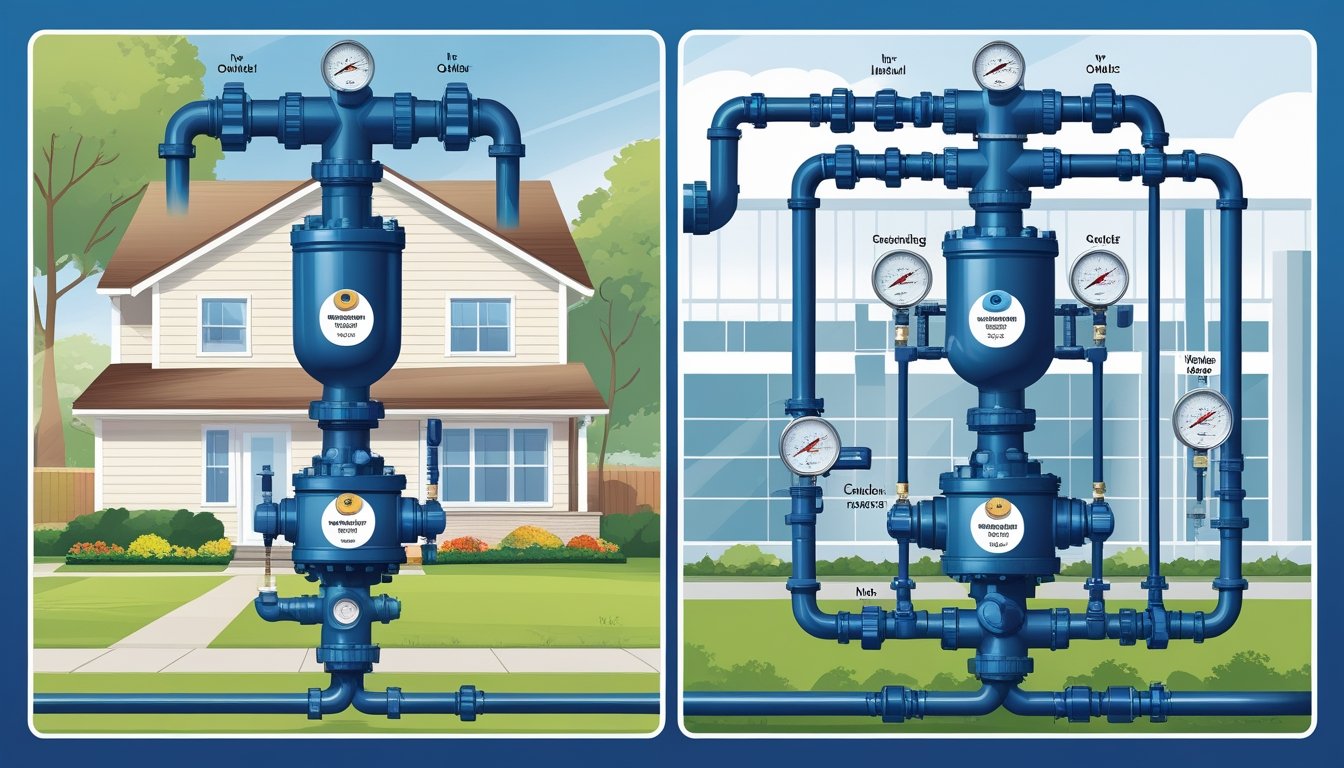
Backflow prevention devices are your guardrails—they stop dirty water from getting into clean water lines. Some use a physical gap, others use valves and pressure tricks. Knowing what’s out there helps you pick what fits your property best.
Air Gaps
An air gap is the simplest fix. It’s just a space—usually a few inches—between a water outlet and where contaminated water could pool. Think of a faucet above a sink.
No moving parts, so air gaps don’t need maintenance or testing. They’re reliable, but only if installed right. You’ll see these on dishwashers or outdoor spigots where backflow could be a real risk.
Air gaps block backflow by making it impossible for water to jump the open space and flow backward. That keeps gross stuff from sinks or irrigation setups out of your clean water.
Reduced Pressure Zone Assemblies (RPZs)
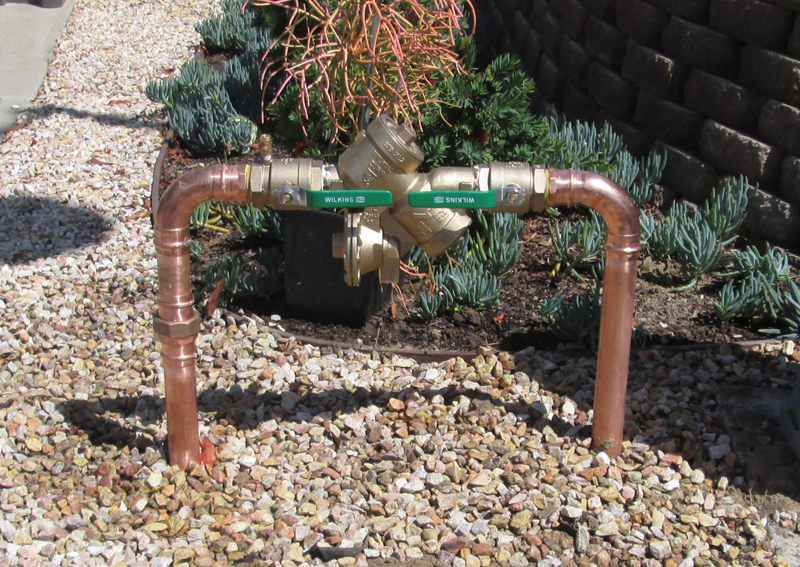
RPZs are more complicated. They use two check valves with a relief space in the middle that dumps water if the pressure drops. This setup keeps backflow out, even if there’s a big pressure problem.
RPZs are usually required for houses with irrigation systems, fire sprinklers, or commercial plumbing where contamination risks are high. They need yearly tests because parts can wear out or leak.
If you need serious protection from pollutants and sewage, RPZs are a solid bet. Certified testers—like the folks at Pacific Backflow—can keep these working and up to code.
Double Check Valve Assemblies
Double Check Valve Assemblies (DCVAs) use two check valves to keep water moving in one direction. If one flops, the other’s got your back. They’re smaller and often cheaper than RPZs, but they don’t have a relief valve.
DCVAs are good for properties with medium risk—think homes without irrigation or industrial setups. You’ll need to get them tested every year to make sure they’re still doing their job.
If you want something dependable and low-maintenance, DCVAs aren’t a bad pick. Like with RPZs, stick with certified testers for repairs or checks—don’t cut corners.
Inspection, Testing, and Maintenance Requirements
To keep your water safe, you’ve got to get backflow prevention devices inspected, tested, and tuned up on a regular basis. That’s how you dodge contamination and stay on the right side of local rules. Knowing who’s allowed to test your device and how to keep records is half the battle.
Annual Testing Procedures
Your backflow preventer needs a yearly test. This check makes sure the gadget is actually stopping dirty water from sneaking in.
During the test, certified pros look over valves and pipes to see if everything meets safety standards. If something’s off, you’ll need repairs or maybe a replacement before you can pass inspection.
You should book these tests ahead of your local water authority’s deadline. Miss it, and you could face fines or water shutoffs. Companies like Pacific Backflow in San Diego County can handle the test and file the results for you—no extra hassle.
Certified Backflow Testers
Only certified testers can check your backflow preventer. They’ve got the training and licenses to do it right.
If you use someone unqualified, you risk bad results or even rejection from your local authority. Certified testers know the codes and can spot trouble before it gets worse.
Always ask for credentials before you book. Pacific Backflow’s team, for instance, is certified and knows their stuff—your device will meet all the standards.
Recordkeeping for Compliance
After testing, you’ve got to keep solid records. This means test reports, repair invoices, and certificates from whoever did the work.
Most water districts want you to submit test results within a certain window. They might even check your records at random. Keeping things organized means you’re ready if they ask.
You can use a folder, a digital file, or let your backflow service manage it for you. Pacific Backflow, for example, will file reports with your local authority, so you’re always covered.
Choosing and Installing Backflow Preventers
Picking and installing a backflow preventer isn’t just about plugging something in—you need to match the device to your plumbing and water pressure. The right setup keeps your water clean and passes local inspections. If your system’s old, upgrading can boost safety and avoid big repair bills down the road.
Selecting the Right Device for Your Property
Choose a backflow preventer that fits your water system and local rules. Some common types:
- Pressure Vacuum Breaker (PVB): Great for irrigation.
- Atmospheric Vacuum Breaker (AVB): Handy for hose hookups.
- Double Check Valve Assembly (DCVA): Popular for residential use.
- Reduced Pressure Zone (RPZ): Best if there’s a high risk of contamination.
Not every device works for every setup. Water pressure, pipe size, and what’s in your system all matter.
If you’re not sure, a pro like Pacific Backflow can help you figure out what fits your property and local codes.
Installation Best Practices
Backflow preventers need to go in the right spot on your plumbing. Put them in the wrong place, and you risk failures or contamination.
Here’s what to keep in mind:
- Follow city or county plumbing codes.
- Leave enough room for testing and maintenance.
- Protect the device from weather and damage.
Let certified techs handle the install. They’ll make sure everything meets standards and will pass inspection.
Keep a record of the installation—it’ll help with future tests and any troubleshooting.
Upgrading Existing Systems
If your backflow preventer is ancient or not working, think about upgrading. New models are more reliable and meet current safety codes.
When you upgrade:
- Make sure it matches the latest local rules.
- Fix leaks or worn-out parts.
- Boost protection against contamination.
Companies like Pacific Backflow can swap out old gear fast and keep your water safe. Upgrading now can save you from bigger headaches later.
Frequently Asked Questions
Getting a handle on backflow prevention rules helps you keep your place safe and up to code. Here’s where you’ll find info on required devices, testing schedules, responsibilities, and the paperwork you’ll need.
What are the minimum requirements for backflow prevention for property owners in New York State?
In New York State, property owners have to install backflow prevention devices if there’s a risk of contaminated water flowing back into the public water supply. These devices need to meet both state and local codes. Commercial properties usually have stricter requirements, but homes might need them too, depending on the plumbing setup.
Can you explain the RPZ installation process and what requirements must be met?
A certified plumber or backflow specialist needs to handle the RPZ (Reduced Pressure Zone) assembly install. Honestly, it’s best to put the device somewhere you can actually reach it for testing or quick fixes—not tucked away in some odd corner. NYC DEP has pretty clear standards: the RPZ should sit above ground, shielded from wild weather or any chance of getting knocked around.
How often is backflow testing required in NYC and what costs are associated with it?
New York City wants backflow devices tested every year. You’ve got to call in a certified tester, and scheduling’s on you. The price tag? Usually somewhere between $75 and $150, depending on what kind of device you’ve got and where you’re located. Skipping regular checks could mean fines, and honestly, it’s not worth risking your water supply—backflow prevention matters.
As a new property owner, am I responsible for backflow testing, or is this the tenant's obligation?
The responsibility falls on you, the property owner. Even if you’ve got tenants, you’re the one who needs to arrange testing, cover the costs, and sort out any repairs if something doesn’t pass. It’s a hassle, but keeping up with it saves you from headaches and possible legal trouble.
What forms or records should I maintain for compliance with backflow device regulations?
Hang on to all your test reports and maintenance records for at least three years. You’ll have to send test results to the local water authority (NYC DEP, for example). Keeping those papers organized makes it way easier if anyone ever asks for proof you’re following the rules.
What steps do I need to take to ensure my backflow prevention devices are NYC DEP approved?
First off, check that any device you install shows up on the NYC Department of Environmental Protection's approved list. Honestly, it’s just not worth the risk to skip this step. Always bring in certified pros for installation and testing—don’t try to cut corners here. Pacific Backflow can handle the whole process, from testing and repairs to making sure your setup actually follows all those NYC DEP rules. That way, you stay on the right side of compliance and avoid any headaches down the road.