


Checking if your irrigation layout meets safety codes really starts with knowing the main parts of your system—especially the backflow preventer. Honestly, the most important thing is to get your backflow preventer inspected and tested every year by a certified tech. That’s how you make sure it’s working and that you’re following local rules. This step keeps your water supply protected from contamination and your property up to code in San Diego County.
Hang onto records for every inspection and test. If you’ve got those reports handy, it’s a lot easier to show you’re meeting safety standards. And if you run into any issues, don’t wait—get repairs or replacements done quickly to avoid fines or risk to your water.
Pacific Backflow has helped lots of homeowners and businesses in San Diego County with backflow testing, repairs, and installations. Honestly, it’s a relief to know your irrigation system is both safe and compliant.
Understanding Irrigation Safety Codes
Irrigation safety codes exist to keep your water clean and your system running right. These rules cover where and how you install things like backflow preventers, which block dirty water from sneaking into your clean water lines. It’s worth knowing who creates these rules and what mistakes to avoid so you don’t end up with fines or, worse, a contaminated water supply.
Why Safety Codes Matter for Irrigation Systems
Safety codes keep your drinking water safe from contamination caused by irrigation. When water moves backward through your system, it can bring chemicals or dirt into your clean supply. Backflow preventers stop that.
If you follow safety codes, your irrigation system gets installed and maintained the right way. That means less chance of water pollution and health risks. Plus, you avoid trouble with the city if your system breaks the rules.
You’ve got to test backflow preventers every year. If one fails, you’ve got to fix or replace it. That’s just how you keep things working safely.
Relevant Regulatory Bodies and Standards
Local water authorities set the rules for irrigation safety. These can vary by city or county, but most require backflow preventers on irrigation systems. Sometimes you need a permit before you install anything.
Certified testers—like the folks at Pacific Backflow—check your system to make sure it matches the safety standards. They confirm devices are installed in the right spot and meet all code requirements.
Common standards call for approved device types, like double check valves or reduced pressure zone devices for commercial setups. If you’re not sure, your local water district can give you the exact regulations for your part of San Diego County.
Common Safety Code Violations
A lot of irrigation systems miss the mark on safety codes because of bad installation or skipped maintenance. You’ll see missing or badly placed backflow preventers a lot. Sometimes, the device type just doesn’t match local requirements.
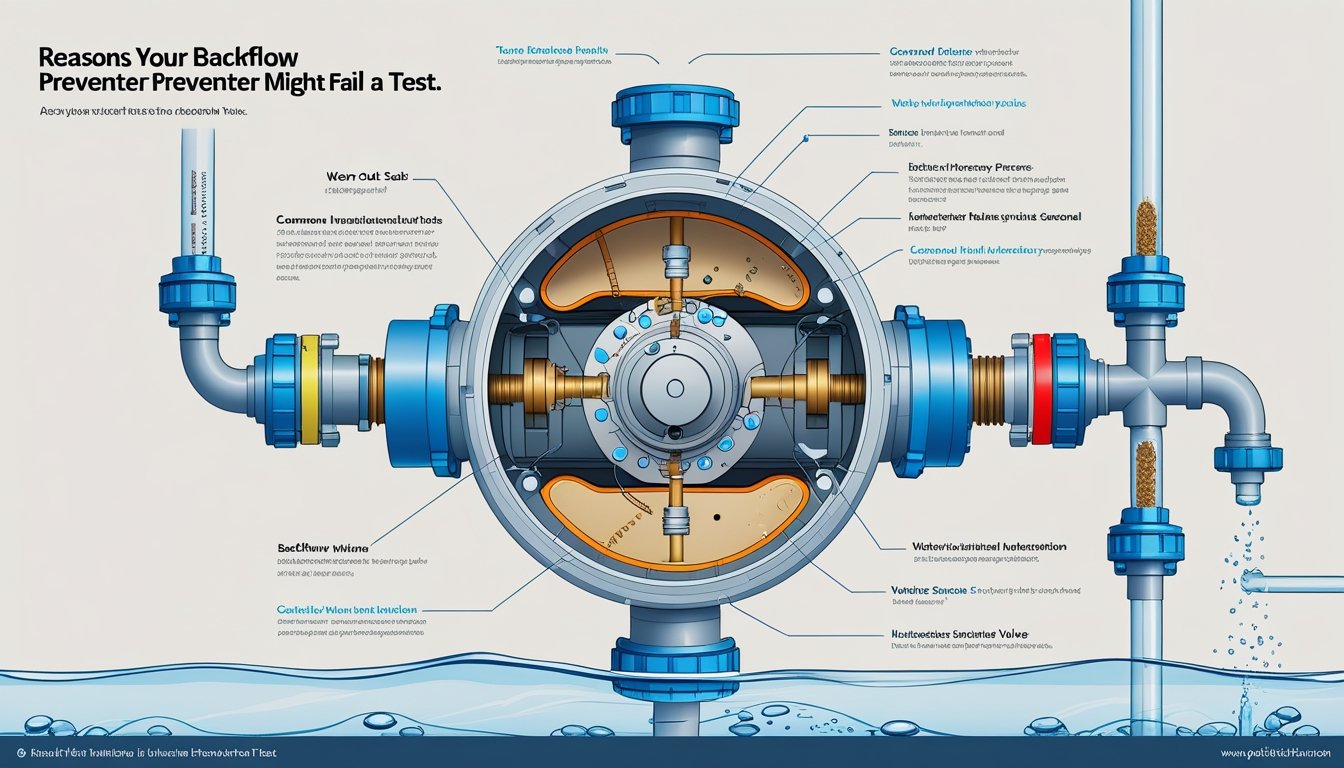
Leaks or busted valves can cause backflow problems, too. If your water pressure drops or you hear weird noises, your backflow preventer might be failing.
Skipping annual backflow testing is a common violation. If you don’t test, you might not catch problems until it’s too late.
To stay on the safe side, set up annual backflow testing and take care of your equipment. If you need repairs, make sure the work meets local codes so you don’t risk your water—or your wallet.
Assessing Your Irrigation Layout
Checking your irrigation layout means you need to look closely at your system’s design, the materials you’ve used, and how everything’s put together on your property. This is how you know your system actually follows safety rules and keeps your water safe.
Evaluating System Diagrams and Plans
First, pull out your irrigation system’s drawings or blueprints if you have them. These should show where pipes, valves, and backflow preventers sit. Look for clear labels and placement near your water meter.
Check that the backflow preventer is in the right spot. The diagram should show it before any irrigation lines branch off, so contaminated water can’t get back into your main supply.
Compare your plans with local codes. Some places require certain types of backflow devices or specific spacing to keep things safe. Keeping your plans updated and correct is step one for passing inspections.
Site Inspections for Code Compliance
Walk around your property and compare what you see to your plans. Check that all pipes and backflow devices are securely installed and not damaged.
Look for proper elevation and make sure backflow devices are easy to reach for testing, but protected from weather or getting bumped.
Inspect irrigation heads and valves for correct spacing and leaks. If you see corrosion or cracks, fix them soon.
Honestly, a professional inspection can catch things you might overlook. Pacific Backflow does inspections in San Diego County to help make sure your system is up to code.
Verifying Approved Materials
You’ve got to make sure every part of your irrigation system uses materials approved by your local codes. That includes pipes, valves, fittings, and backflow preventers.
Using the right backflow preventer matters. Different properties need different devices, like reduced pressure zone or double check valves.
Choose materials that can handle outdoor conditions and water pressure. Avoid cheap or off-brand parts—they’re usually not worth the hassle.
Keep receipts and product manuals for everything. If you ever need to prove compliance during an inspection, or when scheduling testing or repairs, those papers make life easier.
Evaluating System Components
Your irrigation system needs the right parts, installed the right way, to meet safety codes. This includes devices that stop water from flowing backward, pipe size and placement, and how you handle wiring and controllers. Every piece matters for protecting your water and making sure your system works as it should.
Backflow Prevention Devices
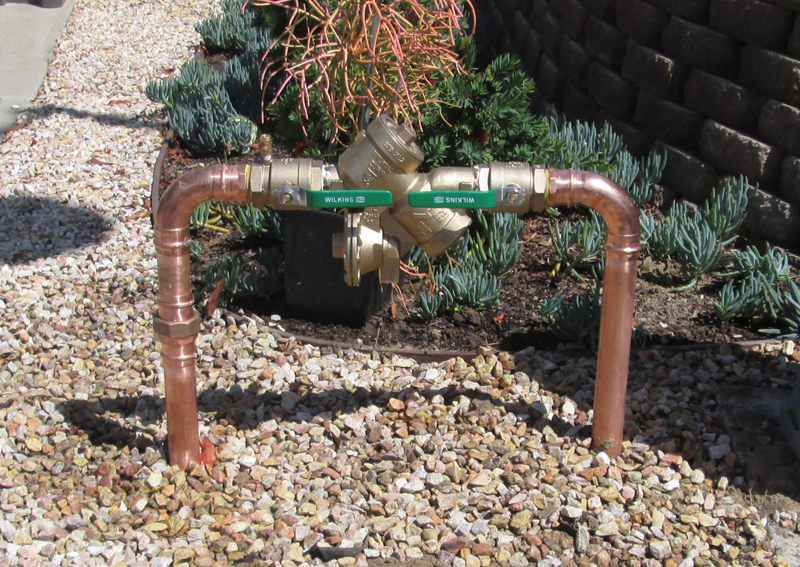
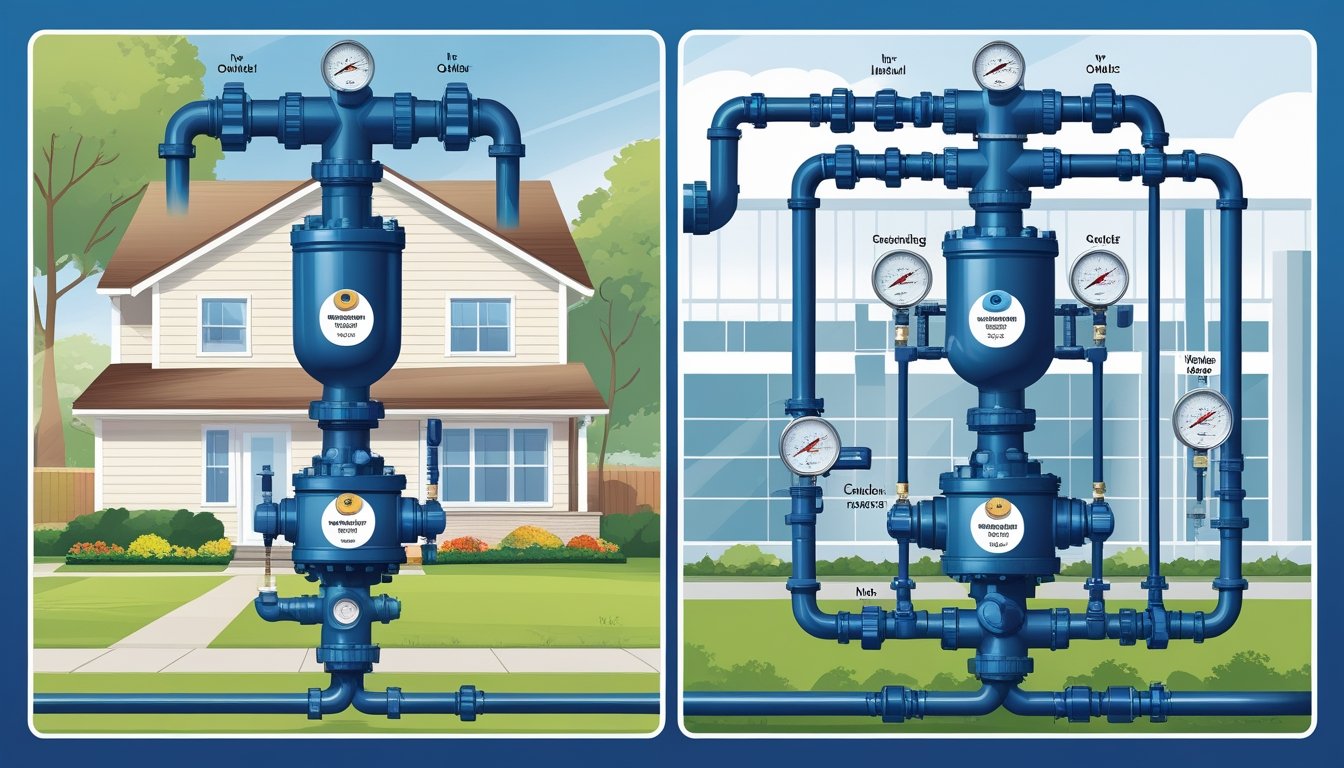
Backflow preventers keep dirty water from sneaking back into your clean supply. You need the right device type for your system’s risk level. Pressure Vacuum Breakers (PVB) and Reduced Pressure Zone (RPZ) devices are common. For high-risk setups, like commercial buildings, you’ll probably need an RPZ.
Put the device near the water source to cut down contamination risk. Install it according to local codes with secure fittings. Get your backflow preventer tested every year by a certified pro. Pacific Backflow can handle the testing and file your reports, so you stay compliant.
Pipe Sizing and Placement
Pipes have to be the right size for good water pressure and flow. If they’re too small, you’ll get low pressure and patchy watering. Too big, and you’re wasting water and money. Check your local codes for recommended pipe sizes.
Where you put the pipes matters, too. Don’t cross property lines or dig near utilities without checking first. Keep the main lines easy to reach for repairs. Pipes should also be placed so they don’t mess up backflow prevention. A good layout helps prevent leaks and contamination.
Controller and Wiring Requirements
Your irrigation controller should be in a dry, easy-to-access spot that’s safe from the weather. It handles watering times and cycles, so make sure you program it right to save water and avoid overwatering.
Wiring needs to meet safety codes. Use outdoor-rated wires in conduit if you bury them. Don’t leave wires loose or exposed—moisture can cause shorts or failures.
Follow the manufacturer’s instructions and local codes for setup. Well-installed controllers and wiring mean fewer headaches down the road.
Key Installation Requirements
When you’re putting in your irrigation system, a few rules help keep water safe and everything working right. You’ve got to place backflow preventers where they won’t cause trouble, and manage water pressure so each zone works without causing damage.
Minimum Distance from Structures
Backflow preventers need to be a safe distance from buildings, walls, or other stuff. This keeps leaks or repairs from damaging those areas. Most codes say you need at least 12 inches of clearance around the device for access and maintenance.
Don’t put the backflow preventer where it’ll trip people or block walkways. If it’s near your water meter, double-check local rules—some places have specific requirements.
That distance helps with airflow, reduces contamination risk, and makes inspections easier. Always ask your local water authority about the exact minimum distances.
Pressure Regulation and Zoning
Split your irrigation system into zones with pressure regulation to protect pipes and sprinkler heads. Too much pressure can break things, including your backflow preventer.
Pressure regulators or valves keep water pressure steady in each zone. That stops leaks and ensures even watering. Without them, you might see failures in parts of your system.
Zoning also lets you control watering times and amounts better. It helps with water conservation and puts less strain on your pipes. Make sure your design matches local codes for pressure limits and zoning. Pacific Backflow can help you check these details so your irrigation stays safe and efficient.
Documentation and Approval Process
To make sure your irrigation layout is up to code, you need the right permits and good records. You’ll also have to schedule inspections that follow local rules. These steps keep your water safe and your system legal.
Required Permits and Paperwork
Before you install or change your irrigation system, check if you need a permit. Many water districts require one, especially when you’re adding a backflow preventer. Usually, you apply through your city or county water authority.
When you apply, include details like your system’s location, equipment type, and installation plans. Keep copies of everything—permits, approvals, you name it. These prove your system meets local codes.
After installation, you might have to submit backflow test reports. Some places want yearly reports to confirm everything’s working safely. Staying organized helps you avoid fines or losing service.
Inspection Scheduling and Procedures
Inspections happen after installation and then regularly—usually every year. You or your service provider can set these up. Make sure a licensed professional familiar with local codes does the inspection.
During the inspection, the tech checks things like backflow preventers to make sure they’re actually stopping contaminated water. If something fails, you’ve got to fix or replace it before you get approval.
When the inspection’s done, the tester files a report with the water authority. Hang onto your copy, too. Pacific Backflow can handle testing and filing for you, which honestly makes the process less stressful. Schedule on time so you stay compliant and avoid fines.
Frequently Asked Questions
Checking your irrigation system involves a few clear steps to meet safety rules. You’ll want to know about required inspections, common problems, and where to find helpful tools or guides. Keeping up with local codes means regular tests and knowing the rules for your area.
What steps should I take to ensure my irrigation system complies with local safety regulations?
Start with a full inspection of your irrigation layout, paying special attention to backflow preventers. Have certified technicians test your devices every year to catch leaks or damage early. Keep records of all inspections and repairs to prove you’re compliant.
Can you list the key safety codes that apply to residential irrigation systems?
Most residential systems need to follow codes that keep dirty water from mixing with clean water. That means installing approved backflow preventers and meeting your local water district’s requirements. Regulations like TCEQ’s 30 TAC Chapter 344 are big in Texas, but other states have similar rules.
What are common compliance issues found during irrigation system inspections?
Leaks show up a lot, and backflow preventers often fail, too. Sometimes, people skip yearly testing or install things the wrong way, which leads to compliance failures. Keep an eye out for odd water flow or damage around your system’s valves and connections—those are red flags.
Where can I find a comprehensive maintenance checklist for my irrigation system to adhere to safety standards?
Check with your local water authority or poke around regulatory websites for thorough checklists. Some irrigation companies—Pacific Backflow in San Diego County comes to mind—share resources and will even help you stay on top of safety codes.
How often should I review my irrigation system against the TCEQ rules for safety compliance?
You’ll want to review and test your system at least once a year to stay in line with TCEQ guidelines. If you notice leaks or your area enforces tougher local rules, it’s smart to check even more often.
What resources can help me understand the 30 TAC Chapter 344 regulations for irrigation?
Try browsing the Texas Commission on Environmental Quality (TCEQ) website—you'll find the official rules and some pretty handy guides there. If that feels overwhelming, reaching out to a local backflow service company might be a good move. They usually know the ins and outs of local rules and can break things down in plain English.