


Keeping your property’s backflow devices in compliance doesn’t have to be stressful. Streamlining backflow compliance really comes down to scheduling annual testing with certified professionals, keeping records clear, and jumping on repairs or replacements when needed. This approach saves time, avoids fines, and—most importantly—protects your water supply from contamination.
Honestly, working with a reliable company like Pacific Backflow makes life easier. They cover all of San Diego County and take care of testing, repairs, and even filing reports. That means you don’t have to stress about deadlines or paperwork.
Backflow tracking software is another way to stay on top of things. It holds your testing history in one spot and nudges you when the next inspection is due. Just following these steps can keep you compliant—without all the usual headaches.
Understanding Backflow Compliance
If you want to keep your property's water safe, you need to understand how backflow compliance works and what’s expected of you. Why does backflow prevention matter? What laws apply? And what common hazards could be lurking on your property?
The Importance of Backflow Prevention
Backflow happens when contaminated water sneaks backward into your clean water supply. Usually, pressure changes in the pipes are to blame. Suddenly, chemicals, bacteria, or who-knows-what can end up in the drinking water. Not good.
Stopping backflow protects everyone who uses your property’s water. It keeps shared water supplies clean and prevents expensive plumbing problems. You play a big part by making sure your backflow devices work and get tested every year.
Taking care of these devices also helps you dodge fines and service interruptions. When your system’s in good shape, your tenants, customers, or family get safer water.
Legal and Regulatory Requirements
Most areas have laws that require regular backflow testing and maintenance. If your building has cross-connections—where clean and dirty water might mix—these rules almost always apply.
You need to bring in certified professionals for testing at least once a year, then send the results to your local water authority. If a device fails, you’ve got to fix or replace it fast.
Skip compliance and you risk fines, legal headaches, or even a water shutoff. Sometimes, lease agreements shift responsibility between tenants and managers, but in the end, the property owner’s on the hook.
Let’s be real: using a service like Pacific Backflow makes compliance a lot less of a pain. They handle testing, repairs, and reporting, so you don’t have to juggle it all yourself.
Common Backflow Hazards in Properties
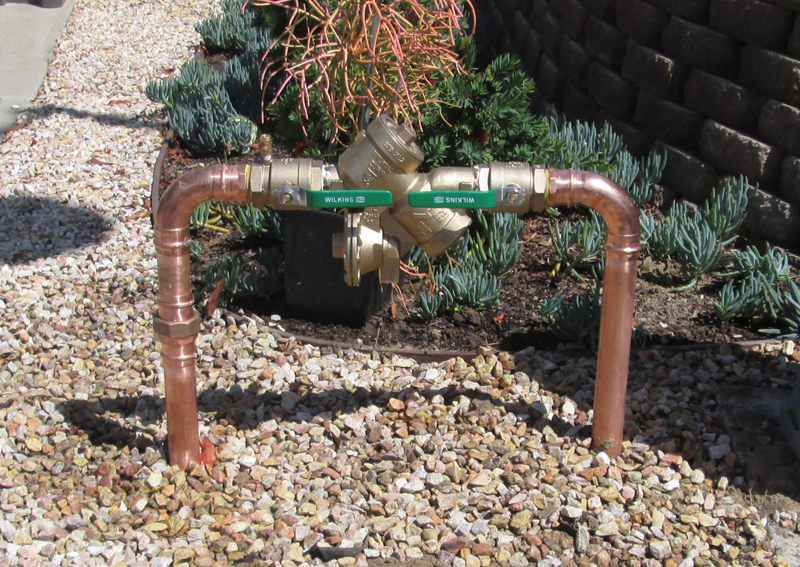
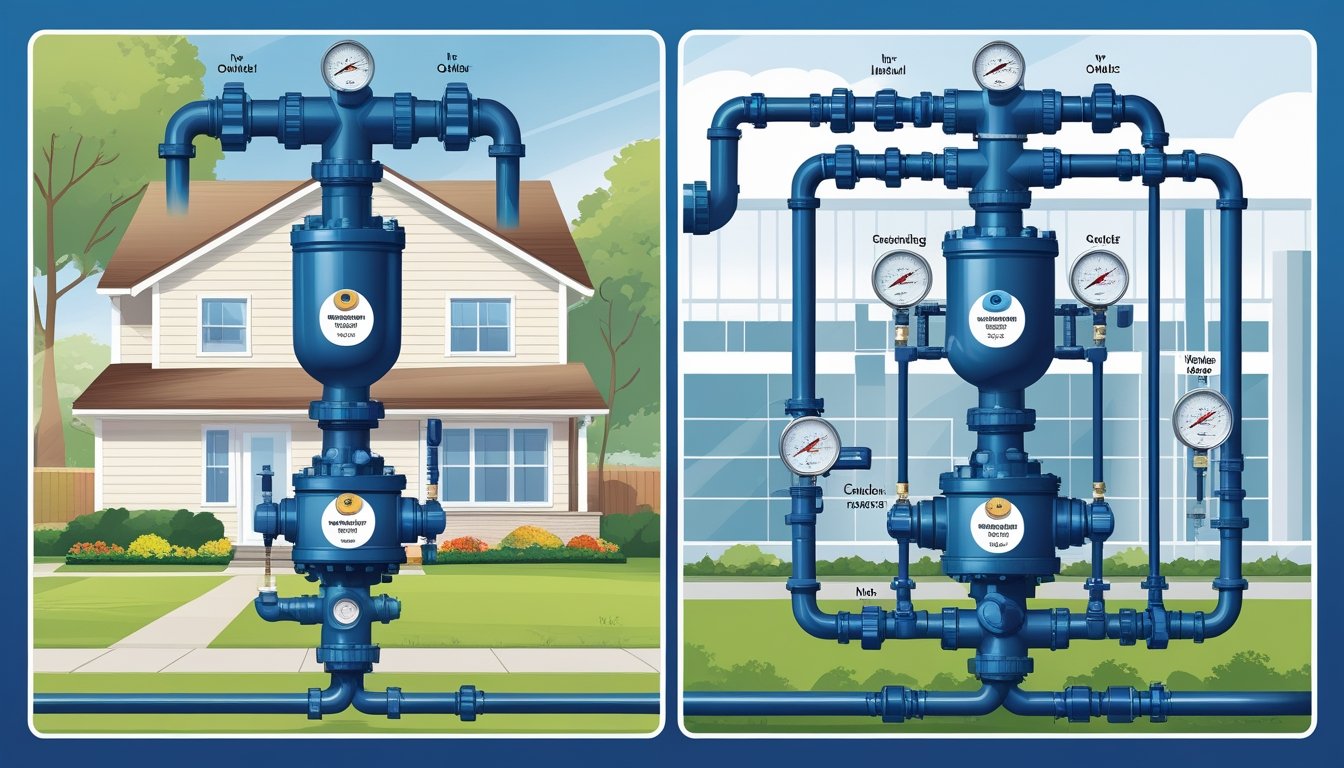
Some spots on your property are just trouble for backflow: irrigation systems, boilers, fire sprinklers, and even hose bibs. These areas mix up water pressures and often have chemicals or waste close to water lines.
Cross-connections happen when pipes for different uses get connected the wrong way. That can let dirty water flow back into the clean lines.
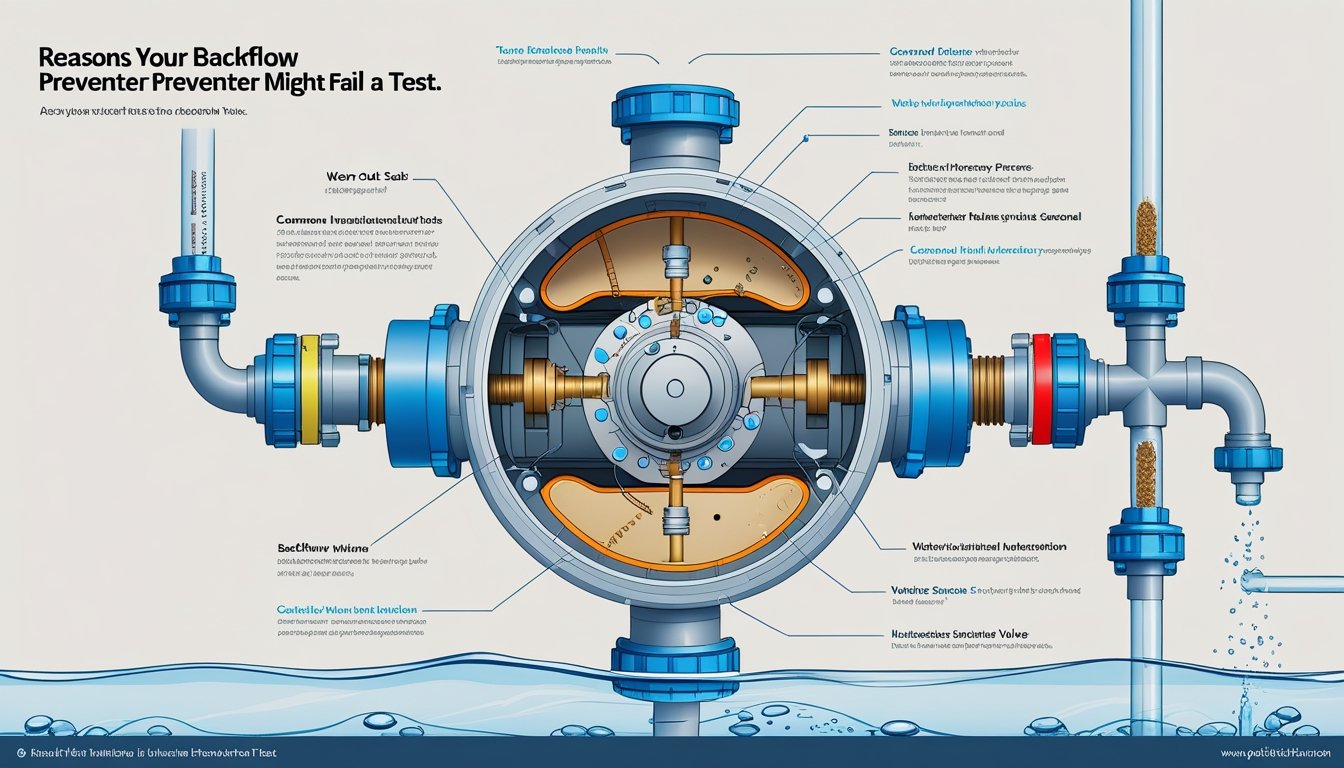
Hidden leaks or busted backflow preventers up the risk. And yeah, theft or vandalism of devices is a thing.
Protect your equipment—lock it up with sturdy cages and fix problems fast. Catching issues early saves you from costly emergencies and keeps everyone healthier.
Key Challenges for Property Managers
Managing backflow compliance means you’re always juggling something: inspections, paperwork, working with testers, you name it. Each piece matters for keeping your property safe and avoiding penalties.
Tracking Inspection Schedules
It’s surprisingly easy to lose track of inspection dates. Every backflow device needs annual testing by a certified pro. Miss a test, and you could face fines or water problems. Plus, if you manage multiple properties, every device probably has its own timeline.
Calendar reminders or digital tools help a ton. Some managers swear by spreadsheets or checklists to keep tabs on test dates and results. Scheduling ahead also means companies like Pacific Backflow can fit you in without any last-minute panic.
Inspections have to happen every year—no excuses. Staying organized with reminders keeps your water system safe and your stress level down.
Managing Compliance Documentation
After testing, you need to keep detailed reports for at least three years. These prove you’re following local health and water district rules. Usually, you’ll also have to send copies to the city or county.
Losing paperwork or missing details can cause headaches during audits. Keep your records somewhere safe and easy to reach. Digital filing systems work well for storing reports and sending alerts when something needs updating.
If document handling is split between tenants, managers, or owners, clear communication is a must. Organized paperwork makes inspections smoother and protects your property’s reputation.
Coordinating with Certified Testers
Working with certified backflow testers takes a bit of planning and teamwork. Certified testers handle inspections and repairs, but you’ve got to give them access, respond quickly to repair needs, and make sure they file the right reports.
A company like Pacific Backflow can take a lot off your plate—they’re quick, know what they’re doing, and handle the paperwork. Keeping in touch with testers helps avoid delays and cuts down on emergencies. Good coordination means fewer surprises and better water safety.
Implementing Streamlined Compliance Processes
Getting your backflow compliance organized and on schedule is the best way to avoid fines and water safety issues. Digital tools and automated alerts can save you time and cut down on mistakes. These methods help you get ahead of inspections and keep records tidy and up to date.
Digitizing Compliance Records
Switching from paper to digital records just makes sense. When you store test results and repair info online, you can grab them fast and share them easily. It’s a lifesaver during audits or surprise inspections.
Spreadsheets or specialized software let you track every property’s backflow devices, test dates, and service history. Set up folders for certificates, reports, and notes all in one spot.
Digital records mean you’re less likely to lose important paperwork. Plus, you won’t have to dig through piles of binders. Keeping files organized and backed up helps you avoid compliance problems.
Automating Inspection Reminders
Keeping up with annual backflow testing is crucial. Automated reminders can give you a heads-up before tests are due, so you’re not scrambling at the last minute or risking fines.
Calendar apps or backflow compliance software can send emails or texts when it’s time to schedule tests, repairs, or send in reports. This keeps everyone on the same page.
Automation cuts down on mistakes or forgetfulness—especially if you’re juggling a bunch of properties. Pacific Backflow fits right into this system, offering quick scheduling and reporting to make compliance a breeze.
Leveraging Technology Solutions
The right technology can really save you time and headaches with backflow compliance. Tools that track schedules, document inspections, and link you to testing services keep things organized. These systems just make it easier to manage tasks and meet legal requirements.
Property Management Software Features
A lot of property management software comes with scheduling and reminder tools built in. You can set up automatic alerts for annual backflow testing, so nothing slips through the cracks. Many platforms let you upload and store test reports for easy access.
Look for features like:
- Task assignment and tracking
- Digital document storage
- Automated notifications
These cut down on manual work and help you keep clear records. Local laws require proof of annual testing, so having everything in one place is a lifesaver. You can manage multiple properties at once and keep your workflow moving.
Integrating Compliance Platforms
Compliance platforms connect you directly with certified testers and repair services, speeding up the whole process. With an integrated system, you can book testing and get results without endless phone calls or email chains.
Integration perks include:
- Direct booking with certified testers
- Real-time status updates on testing and repairs
- Automatic filing of compliance reports with water authorities
Pacific Backflow covers all of San Diego County with certified testing. Using a connected platform means faster service and perfect documentation, keeping you compliant with less hassle.
Partnering Effectively for Seamless Compliance
Smooth backflow compliance depends on good communication and the right support. You’ll need to work with local authorities and hire qualified backflow professionals. Each step helps you avoid fines and keep your water safe.
Working with Local Authorities
Building a solid relationship with your local water department helps a lot. They set the rules for testing and maintenance in your area. Know their deadlines and reporting requirements.
Keep paperwork organized and send reports on time. Most authorities want annual testing, and missing a deadline can cost you. If you’re unsure about something, your local officials can point you in the right direction.
Cities often post updates online—worth checking in on now and then. You can also ask for advice before scheduling tests or repairs if you’re not sure what’s needed.
Selecting Professional Backflow Services
Picking the right backflow service saves time and headaches. Look for certified techs who handle testing, repairs, and reporting all under one roof. That way, you don’t have to juggle different vendors.
Pacific Backflow’s certified team, for example, does tests fast and files results with local authorities for you. If a device fails, they handle repairs or replacements that meet code, no problem.
Good services also provide emergency help and protective cages to keep your system safe. When choosing a company, check their experience, how quickly they respond, and what customers say about them.
Frequently Asked Questions
Backflow compliance gets easier if you know how to tackle testing, record keeping, staff training, and digital tools. Staying organized and meeting deadlines keeps your property’s water safe and you in good standing.
What steps should property managers take to simplify the backflow prevention testing process?
Schedule annual tests well before deadlines. Keep all notices, equipment info, and past reports in order.
Use certified testers who know local regulations. If repairs come up, get a clear cost proposal first. Communicate clearly with your provider to avoid delays.
How can the use of digital compliance platforms improve backflow test reporting for property managers?
Digital platforms let you store results and reports in one spot. Sharing info with water authorities or your team is much easier.
Automated reminders help you stay on top of testing deadlines. You can also track repairs or follow-ups, lowering your risk for compliance problems.
What are the benefits of training property management staff on compliance engine platforms for backflow testing?
When your staff knows how to use compliance platforms, they can update records and upload reports without much fuss. This cuts down on mistakes and paperwork delays.
Training builds confidence with compliance tasks across properties. Your team can fix issues faster and keep everything up to code.
What are effective strategies for property managers to ensure timely backflow testing and maintenance?
Set up a calendar with reminders for each property’s test date, repairs, and reporting deadlines. Assign clear roles so someone owns each task.
Work with a reliable backflow service for fast inspections and repairs. Review your compliance logs regularly to catch any problems before they get bigger.
Can you recommend ways to access and utilize compliance engine portals for streamlined backflow compliance management?
First off, set up accounts for each property in the compliance portal you’re using. As soon as you get test documents or schedules, go ahead and upload them.
Try out the portal’s filtering tools and alerts—they really help flag what needs your attention fast. Make sure you keep your testers’ and repair crews’ contact info current in the system so you can reach out without scrambling.
How can property managers leverage user feedback to enhance the backflow compliance process using tech solutions like BRYCER?
Ask your staff and service providers what’s working with the tech and where they’re getting stuck. Take those notes and tweak your workflows or training materials—don’t just guess what’s needed.
Pass along any good ideas or issues to your tech provider. If the software gets better, you’ll probably find compliance gets easier and less annoying, too.
Pacific Backflow covers all of San Diego County with quick, reliable backflow testing and submits reports straight to the water authorities. Their team knows the ropes and can help you keep up with compliance without the usual headaches.