

Water regulations never seem to sit still—they’re always shifting to keep our water supply safe and healthy. If you want to stay compliant, you’ve got to keep an eye on updates and make sure your backflow prevention system actually works. Honestly, the biggest thing? Get your annual backflow testing done by certified pros who’ll handle the reporting for you.
You’ll also need to keep inspection records, swap in approved equipment when required, and jump on repairs if something fails. Having a trusted local crew like Pacific Backflow makes this way less stressful—they handle testing, repairs, and installations all over San Diego County, so you don’t have to lose sleep over your water.
Understanding Water Regulations
Water regulations exist to keep everyone’s water safe and clean. To stay compliant, you should know which agencies make the rules, what those rules actually require, and how recent laws might change your responsibilities.
Overview of Regulatory Bodies
A few government agencies keep tabs on water safety in your area. Local water districts and state health departments are the big ones. They set rules that require inspections, testing, and repairs to protect drinking water.
Your local water district enforces backflow prevention rules. Their job is to keep contaminants out of the system. State agencies, like California’s Water Resources Control Board, set broader standards and update them when they feel it’s needed.
Knowing which agency oversees what helps you figure out where to get tests and how to report results. These folks usually offer guides and support, which is handy when you’re trying to keep up.
Key Compliance Requirements
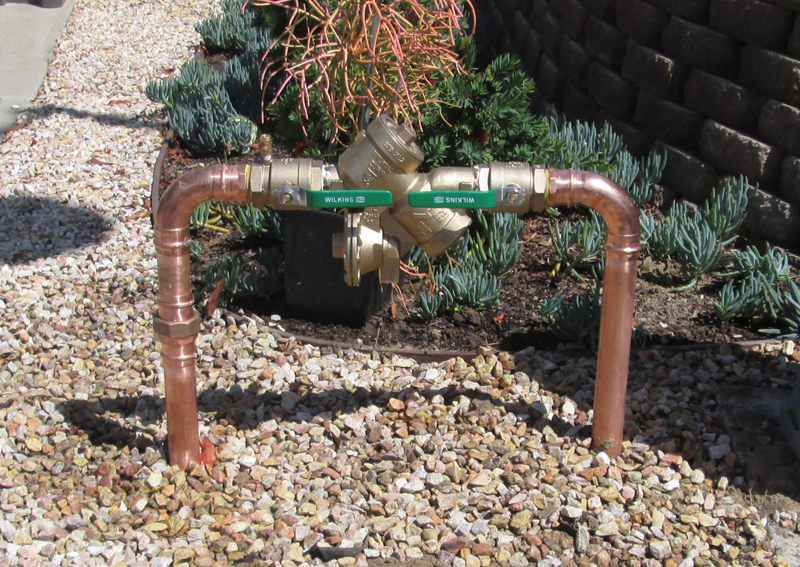
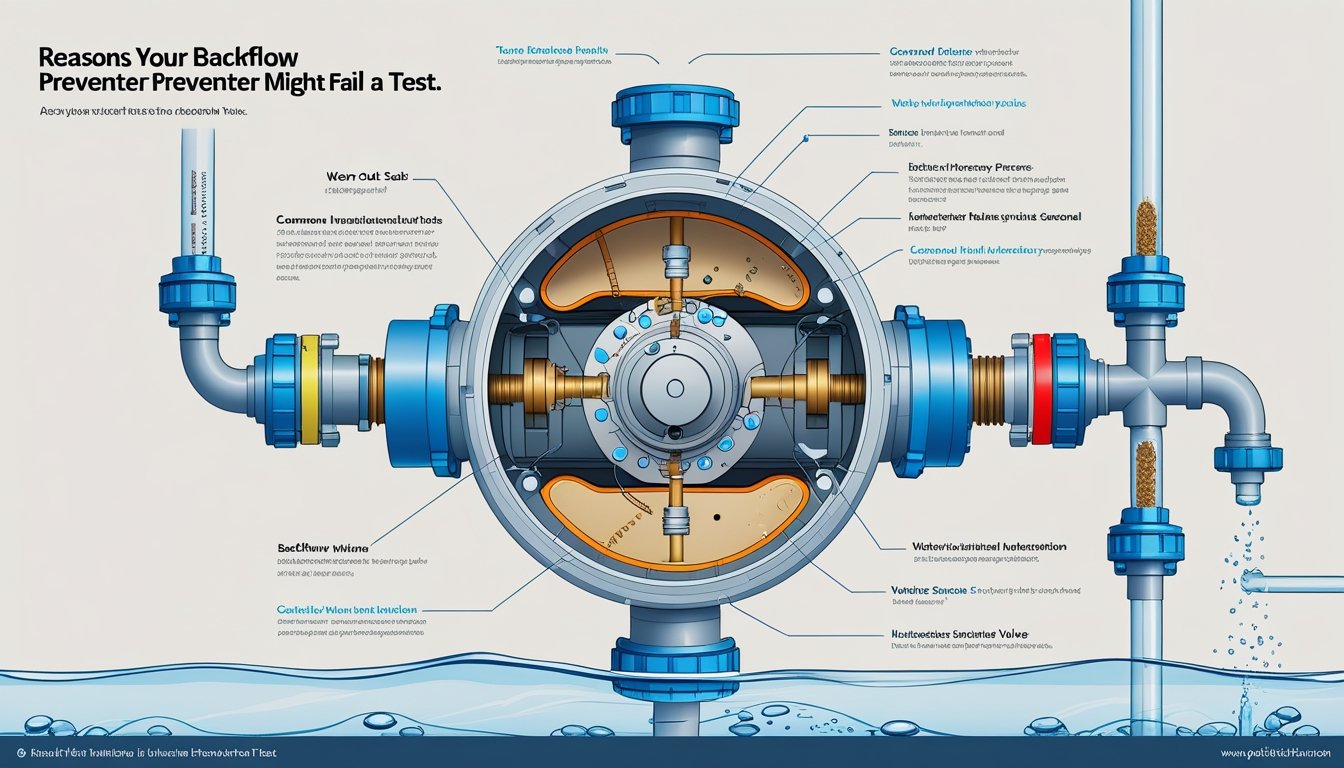
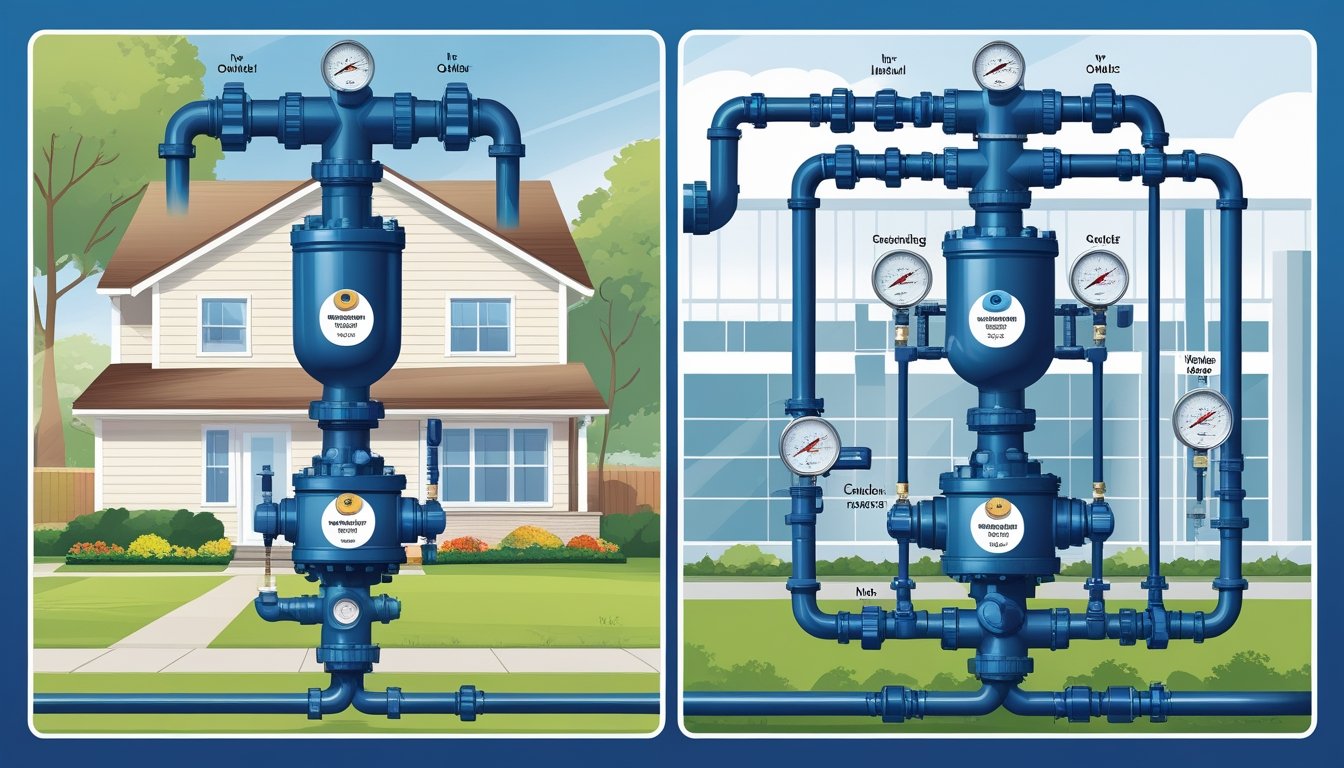
You’ve got to test your backflow prevention system at least once a year. Certified techs check your devices to make sure they’re working. If something fails, you’ll need repairs or a replacement.
Keep detailed records of all your testing and repairs, and make sure you submit reports to your water district on time. If you skip tests or ignore repairs, you could get fined—and those fines add up fast.
Use certified equipment and follow local plumbing codes. It’s not just about compliance; it’s about keeping your water safe from contamination.
Recent Legislative Updates
California’s got some new laws that tighten backflow testing compliance. Testers now need stricter certifications, and there’s more paperwork to deal with.
You might have to submit test results faster or provide extra documentation to prove your system meets the latest rules. Staying on top of this stuff keeps you out of trouble, especially since some water districts have started enforcing more strictly.
In San Diego County, Pacific Backflow’s turf, the focus is on faster testing and repairs for better protection. Working with people who know the latest changes just saves you time and headaches.
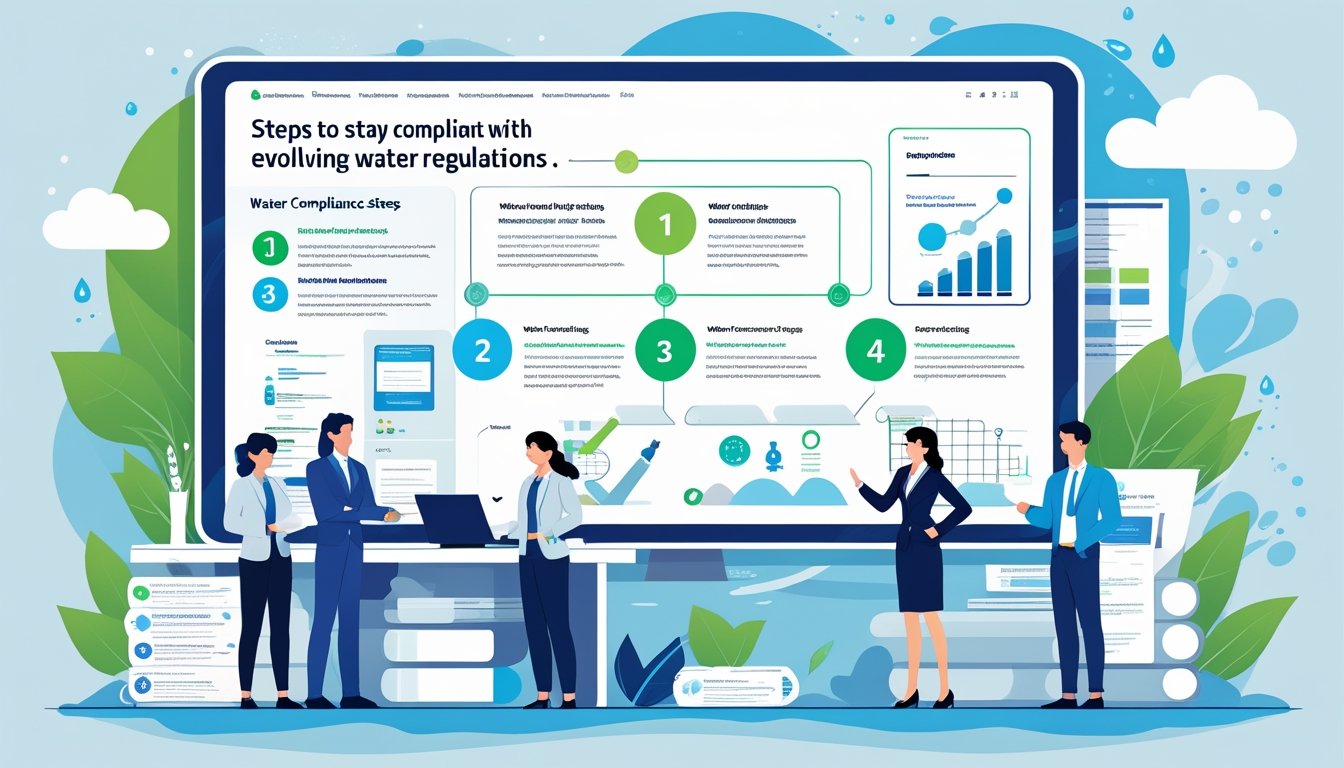
Steps to Maintain Ongoing Compliance
Keeping up with water regulations means watching for new rules, making sure your permits are current, and updating your processes. It’s not glamorous, but it protects your water and keeps those fines away.
Monitoring Regulation Changes
Backflow and water safety rules change more often than you’d think. Check for updates from your water district and state agencies. Email alerts and newsletters are your friends here.
Keep a list of the big regulations affecting your property. When a rule changes—like how often you need to test—jot down the date and what you need to do next. Planning ahead means fewer surprises.
If you work with a local service provider, that helps too. Pacific Backflow, for example, keeps customers in San Diego County updated on rule changes. Being informed makes compliance way less of a scramble.
Aligning with Permitting Standards
Your permits need to match the latest codes. Whenever you install or swap out backflow devices, double-check what the permit requires. Make sure the device type fits current standards.
If your permit’s about to expire, start renewing early. Have your maintenance records and inspection reports ready. Some water districts want annual certifications or special forms—better to find out now than later.
Certified technicians can help keep your permits valid. They’ll make sure you follow the right steps and file the paperwork. If you’re not sure, just call the permitting office—they’re used to questions.
Adapting Operational Procedures
Your daily routines need to keep up with new rules, too. Maybe you’ll need to test backflow preventers more often, or add a few extra checks when you repair things.
Make a checklist for your maintenance crew with up-to-date testing schedules, inspection points, and repair steps. Train your team so everyone’s on the same page.
Good record keeping is huge. Save all your test reports, permits, and repair logs somewhere safe and organized. A lot of cities ask for annual reports, and having these handy makes audits less painful.
If you run into technical trouble, call in the experts. Pacific Backflow’s quick response means you won’t get stuck with a broken system or a compliance issue hanging over your head.
Developing a Compliance Strategy
If you want to stay ahead of water regulations, you need a plan. Know your risks, set up ways to track and report compliance, and make sure your team gets what’s changed. It’s not just about avoiding fines—it’s about keeping your property and water safe without losing your mind over paperwork.
Conducting Risk Assessments
Start by figuring out where your water system could be at risk for contamination or backflow issues. Check all your devices regularly, especially the backflow preventers. Watch for signs of wear, damage, or anything that looks off.
Look at your property’s track record for compliance issues or failed tests. That’ll show you where you need to focus. Give extra attention to parts of your system that serve critical operations or have higher contamination risks.
Keep notes on your assessments and inspections. If regulators ask for proof, you’ll be glad you did.
Establishing Reporting Protocols
Set up a system so you never miss logging or reporting a test, repair, or inspection. Most water utilities want annual backflow testing and documentation. Miss a deadline and you’ll probably get fined.
Use a calendar or reminders for important dates—testing, follow-ups, whatever’s required. Pick someone to handle all the report submissions to your water district. That way, you’re not relying on luck or memory.
If you use outside help (like Pacific Backflow in San Diego County), stay in touch so testing results and repair reports get filed right away. Reliable partners make reporting less of a headache.
Employee Training for Regulatory Changes
Your team needs to know what’s changed and what to do about it. Hold regular sessions to explain new regulations or testing steps. Don’t overcomplicate it—just break things down into what matters.
Show your employees how to spot issues with backflow devices or water systems before they become problems. Stress the importance of quick repairs and sticking to the test schedule. When your staff gets it, everything runs smoother.
Make sure they have easy access to certified service providers’ contacts, like Pacific Backflow, for testing or emergencies. A well-informed team keeps your compliance plan moving forward.
Leveraging Technology for Compliance
Tech makes compliance easier. Tools that track your equipment and automate data collection keep your records accurate and on time. Less room for mistakes, and you’re not left scrambling when rules change.
Utilizing Digital Tracking Tools
With digital tracking, you can monitor your backflow devices in real time. You’ll know when tests are due, which units need fixing, and see past inspections at a glance. Most tools send alerts, so deadlines don’t sneak up on you.
Dashboards or apps let you organize devices by location and status. It’s way faster than digging through paper files. Plus, sharing info with regulators is simple if they ask for proof of compliance.
Pacific Backflow, for example, uses digital tracking to handle thousands of backflow preventers around San Diego County. It keeps everything on schedule and organized.
Automating Data Collection
When you automate data collection, your equipment’s performance gets logged without anyone having to write it down. Sensors track water pressure and flow, recording it automatically. This can help you catch leaks or failures early.
Automated reports mean you don’t have to worry about missing records or typos. The system creates detailed logs you can review or share anytime. It saves time and makes compliance reporting less of a chore.
These systems can even spot patterns—like rising pressure that hints at a device needing repair soon. Staying ahead of problems keeps you compliant and avoids those annoying fines. Tech like this just makes life easier.
Partnering with Experts and Stakeholders
Getting help from pros and staying plugged into industry groups keeps you ahead of changing water rules. You get legal advice, best practices, and a support network. It’s worth the effort for peace of mind and safer water.
Consulting with Legal Professionals
Legal experts can break down complicated regulations into plain English. They’ll make sure you actually understand the laws that apply to your property, so you don’t get hit with fines.
Lawyers can help you prep for inspections and guide you if you run into violations. They’ll keep you in the loop about upcoming rule changes, so you can adjust before it’s urgent.
Find someone who knows water regulations in San Diego County specifically. Pacific Backflow often tells customers to check with legal experts for full compliance.
Engaging with Industry Associations
Joining water industry groups gives you resources and a chance to network. These associations usually share rule updates and offer training sessions.
You’ll pick up ideas from other businesses facing the same compliance headaches. Swap tips on testing, repairs, and emergency response.
Many groups provide tools like compliance checklists or technical guides. These can make your job a lot easier.
Being involved shows you care about protecting community water supplies. Regulators and customers notice that.
Frequently Asked Questions
Staying compliant isn’t about perfection—it’s about a solid plan, keeping up with the rules, and using tools that help you track everything. You need to know the steps to meet EPA standards, what new rules might change, and how to keep an eye on water quality. The right resources make even the complicated stuff manageable.
What are the key elements to include in a water compliance plan?
Make sure your plan spells out regular testing schedules for all your water systems. Include maintenance routines for devices like backflow preventers. Keep records of inspections, repairs, and any updates.
Name who’s responsible for what, match local and state regulations, and be ready for emergencies.
How can organizations keep up-to-date with changes in EPA water discharge regulations?
Sign up for EPA and local water authority updates. Go to workshops or webinars about water compliance. Stay connected with industry groups for alerts on new rules.
Check regulatory sites regularly and subscribe to newsletters so nothing slips by.
What steps are involved in meeting the latest EPA water quality standards?
Start with a full assessment of your current water systems. Find out what doesn’t meet the new standards and update or replace equipment if needed.
Train your staff on new procedures, keep records accurate, and submit reports on time. That’s what keeps you compliant.
How does the Clean Water Rule impact business operations, and what must be done to comply?
The Clean Water Rule expands which waters fall under federal protection. So, if your property sits near streams, ponds, or wetlands, you might find more of them regulated now. If you plan any work that could affect these waters, you’ll need to get the right permits first.
Take a hard look at your operations to see where you might run into trouble, and sort out permits before you break ground.
What are the best practices for monitoring TSS water quality standards to ensure compliance?
Test water samples for Total Suspended Solids (TSS) at important spots in your system, and do it often. Stick to standardized testing methods so your results actually mean something. Over time, watch for trends—sometimes problems sneak up on you.
Keep thorough records, and if TSS levels start creeping past what’s allowed, jump on it right away.
What resources are available to help understand and follow the EPA Water Quality Standards Handbook?
You’ll find the EPA Water Quality Standards Handbook online, and hey, it doesn’t cost a thing. It lays out the rules with plenty of clear examples, so you don’t have to wade through legalese alone.
Local agencies—and folks like Pacific Backflow—can really step in when you need a hand. If you’re not sure about testing or just want someone to walk you through maintenance, their practical know-how can make a big difference.